
What the 2026 Hall of Fame Ballot Looks Like
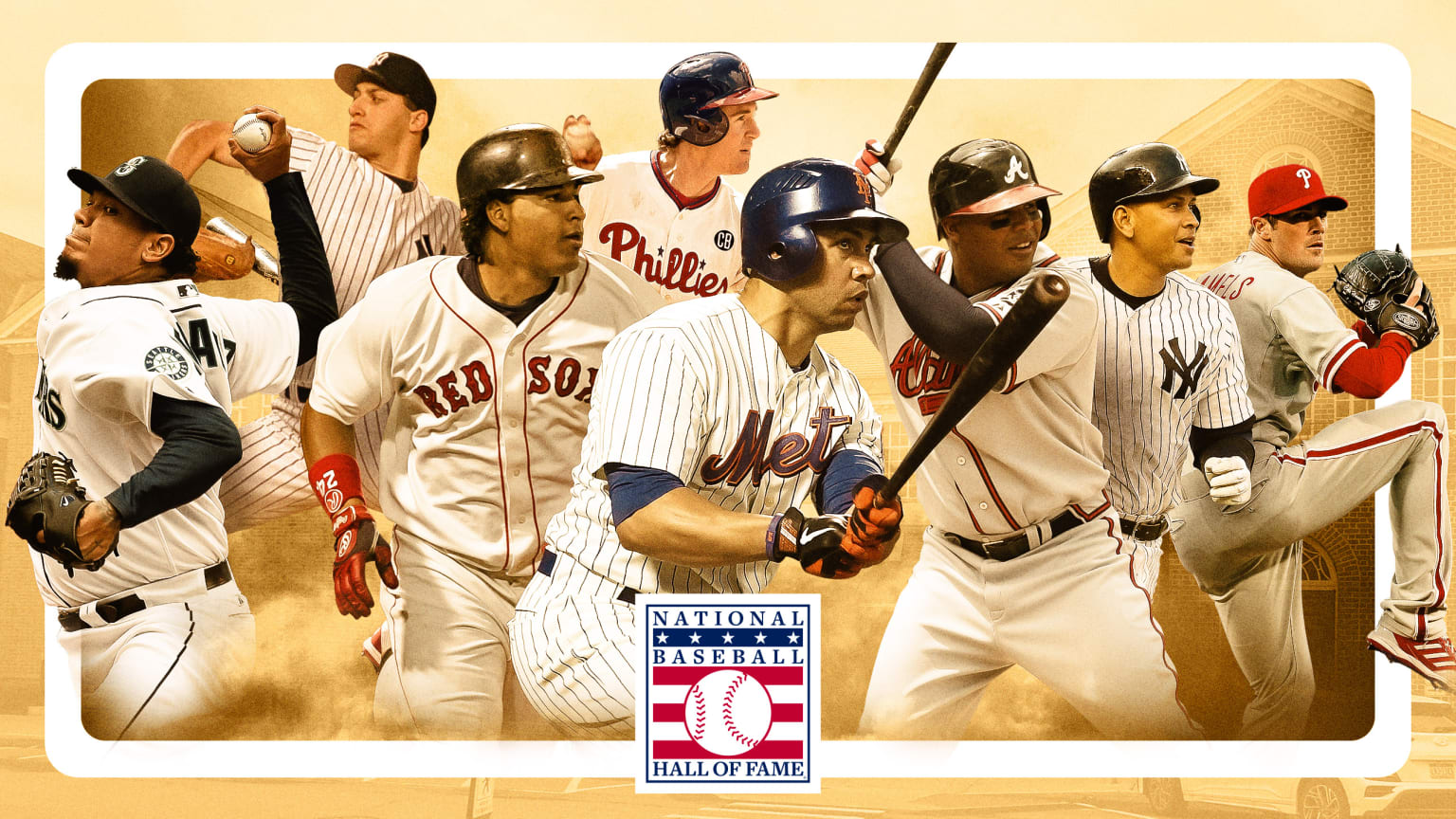
The 2026 BBWAA Hall of Fame ballot has officially been released, featuring 12 first-time candidates and 15 returning players.
To get into the Hall of Fame, a player must earn at least 75% of the votes from the Baseball Writers’ Association of America (BBWAA).
Voting results are scheduled for January 20, 2026, with the induction ceremony set for July 26 in Cooperstown, NY.
Returning Candidates: Who’s Poised to Break Through
Some of the most compelling narratives on the 2026 ballot involve returning players who are either on the cusp or racing against time.
Carlos Beltrán: The Frontrunner
- In the 2025 election, Beltrán jumped to 70.3% of ballots — a significant leap.
- It's his fourth year on the ballot, and many analysts view this as his best shot to cross the 75% threshold.
- Beltrán’s long career, with nine All-Star selections, 400+ home runs, and 300+ stolen bases, solidifies his Hall of Fame credentials.

Andruw Jones: Steady Momentum
- Jones also saw significant gains, rising to 66.2% in 2025.
- Now entering his ninth year on the ballot, he still has a pathway to induction — especially if momentum continues.
- His defensive brilliance, athleticism, and power make him a historically compelling case.

Others Racing Against Time
- Manny Ramírez is especially notable because 2026 marks his final year of eligibility via the BBWAA.
- Players like Andy Pettitte, Chase Utley, and Álex Rodríguez also return — each with unique strengths and challenges.
- Meanwhile, Félix Hernández, Bobby Abreu, David Wright, and others continue their multi-year campaigns.
First-Time Eligible Players: New Names, Big Opportunities
A dozen new names join the Hall of Fame conversation in 2026. Some have strong cases, others face long climbs — but all are worth watching.
Cole Hamels: The Headliner
- Hamels is widely regarded as the strongest first-year candidate.
- His career includes 163 wins, a 3.43 ERA, and ~2,560 strikeouts — strong stats by any Hall of Fame standard.
- He also has postseason credentials: World Series MVP, NLCS MVP, and a track record as a big-game pitcher.
- Given shifting Hall of Fame voter attitudes — where strikeouts, dominance, and durable performance may matter more than just win totals — Hamels could be a beneficiary.

Other Notable Debutants
- Ryan Braun: Former NL MVP, strong offensive production, but his suspension history may complicate his case.
- Rick Porcello: A Cy Young Award winner with a long career; his resume might resonate with certain traditional voters.
- Howie Kendrick, Daniel Murphy: Solid infielders, dependable hitters, likely to draw long-term support.
- Alex Gordon, Matt Kemp, Nick Markakis, Hunter Pence: Outfielders and sluggers with notable careers.
- Shin-Soo Choo: Known for on-base skill, long career.
- Edwin Encarnación: Power hitter with strong counting stats.
- Gio González: Left-handed pitcher; durable, but not dominant in traditional “ace” metrics.
Key Trends & Insights from the 2026 Voting Landscape
Understanding the 2026 ballot isn’t just about the names — it's about what the ballot reveals about Hall of Fame trends and voter psychology.
Shifting Pitcher Evaluation
- Voters may be increasingly valuing strikeouts, innings, and dominance over just “wins.”
- Hamels represents a modern-style starter: big K totals, postseason success, and longevity.
Postseason Impact Matters
- Success in October (playoffs) can significantly enhance a player's Hall of Fame narrative.
- Hamels’ postseason résumé (World Series MVP, LCS MVP) gives him a strong storyline.
Momentum & Voter Patience
- For returnees, building year-to-year support is crucial. Beltrán’s continued rise is a clear example.
- Some players will need multi-year campaigns — there’s no guarantee of a first-ballot induction in this cycle.
Pressure of Final Eligibility
- For players like Manny Ramírez, this is a “last chance” via BBWAA.
- That urgency could influence voter behavior, either pushing his vote share up or cementing his exit.
No Obvious First-Ballot Lock
- Unlike prior years, the 2026 ballot lacks a “slam-dunk” first-timer (someone universally expected to get 75% right away).
- That could split the vote and make the election more unpredictable — or give returning players a clearer path.
What to Watch Leading Up to the Vote
Here are some key factors and developments to monitor between now and the January 20, 2026 announcement:
- Media Narrative
- Increased coverage for Beltrán and Jones: if stories emphasize redemption, peak performance, or legacy, it could sway more ballots.
- Profiles and deep dives on Hamels and other first-timers: bolstering their case in the public eye.
- Voter Behavior
- Whether writers continue to reward durable, post-season-proven pitchers.
- How many ballots include more than just returnees (i.e., first-year players).
- Ballot Dropouts & Vote Splitting
- If several first-time candidates split votes, it may prevent any newcomer from gaining steam.
- Conversely, if writers consolidate around two or three, one might emerge as a strong future candidate.
- Hall of Fame Committee Influence
- While this blog focuses on the BBWAA ballot, keep an eye on the Contemporary Baseball Era Committee, which has its own 2026 vote. baseballhall.org
- Some players who don’t make it via writers could still be inducted via committee routes.
Why the 2026 Ballot Matters
The 2026 Baseball Hall of Fame ballot is a fascinating mix of redemption, legacy, and fresh faces:
- Carlos Beltrán and Andruw Jones could finally break in after years of steadily rising support.
- Cole Hamels offers a modern-pitcher narrative strengthened by his postseason accolades.
- First-timers like Ryan Braun, Rick Porcello, and Edwin Encarnación bring diverse cases — some statistical, some emotional.
- The shifting valuation of performance (postseason, strikeouts, WAR) suggests Hall of Fame voters may be evolving their criteria.
For fans, analysts, and Cooperstown watchers, 2026 is more than just another ballot — it may reflect changing attitudes about how to measure greatness in modern baseball.