
The 2026 Major League Baseball Trade Deadline delivered exactly what front offices, fans, and executives anticipated: aggressive buyers, committed sellers, and a wave of roster moves that could define October baseball.
While several organizations chose to strengthen their championship aspirations by acquiring established stars, others fully embraced long-term rebuilding strategies, moving veteran talent in exchange for premium prospects. The result was one of the busiest deadlines in recent memory, headlined by franchise-altering trades and immediate roster shakeups across both leagues.
Dodgers Land the Biggest Prize
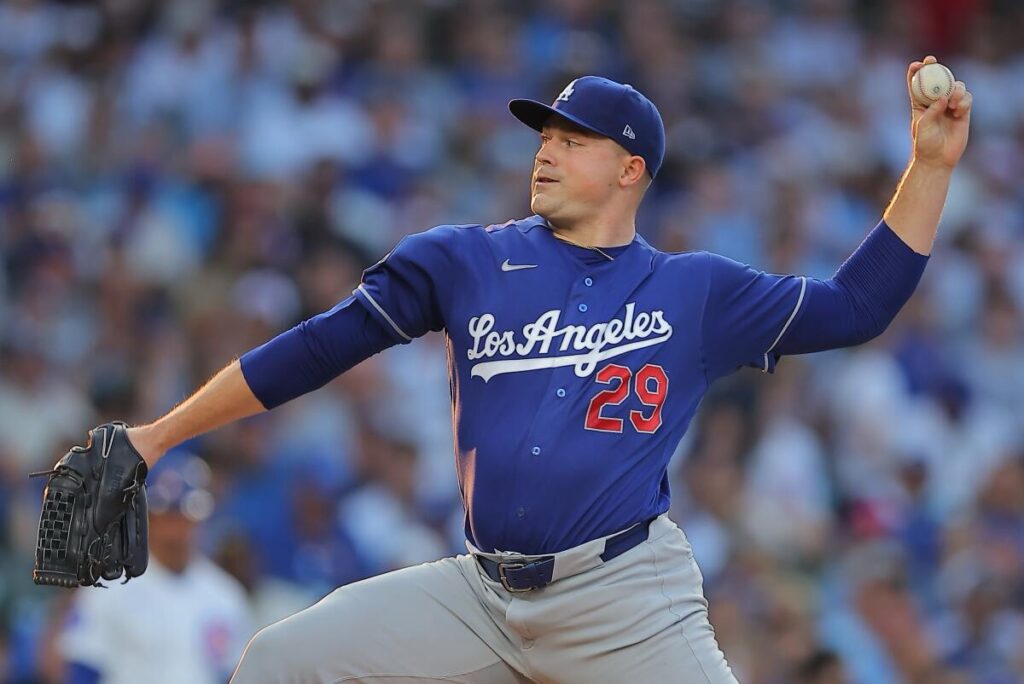
No move sent a bigger shockwave through baseball than the Los Angeles Dodgers acquiring reigning American League ace Tarik Skubal from the Detroit Tigers.
Already viewed as one of baseball’s deepest organizations, Los Angeles once again demonstrated its willingness to capitalize on a championship window. Adding one of the game’s premier left-handed starters significantly strengthens a rotation built for another postseason run and immediately positions the Dodgers among the clear World Series favorites.
Buyers Push Their Chips to the Center
Several contenders approached the deadline with urgency.
The Chicago Cubs addressed their pitching depth by acquiring veteran right-hander Kevin Gausman, reinforcing a rotation that had been impacted by injuries throughout the season. Tampa Bay made one of the more underrated additions by landing Freddy Peralta, giving the Rays another frontline starter for the stretch run. Meanwhile, the Toronto Blue Jays remained highly active, completing four separate trades aimed at strengthening multiple areas of the roster as they continue their pursuit of a postseason berth.
Across the league, contenders prioritized pitching above all else. Starting rotation depth and high-leverage bullpen arms once again proved to be the most valuable commodities on the market, with several playoff hopefuls paying significant prospect capital to address those needs.
Sellers Commit to the Future
For clubs sitting outside the playoff picture, the deadline represented an opportunity to accelerate organizational rebuilds.
Detroit officially entered a new chapter by moving Skubal in exchange for a substantial prospect package. The Los Angeles Angels also embraced seller status, dealing multiple major league contributors while keeping franchise cornerstone Mike Trout in Anaheim despite widespread speculation surrounding the club’s future direction. Trout publicly supported the organization’s decision to begin reshaping its roster despite the emotional impact of seeing longtime teammates depart.
Several additional rebuilding clubs elected to convert expiring contracts into long-term assets, prioritizing organizational depth over short-term competitiveness.
Prospect Promotions Follow Deadline Activity
The flurry of deadline transactions also created opportunities for several of baseball’s top prospects.
Organizations that moved veteran players immediately opened major league roster spots, allowing highly regarded minor leaguers to receive promotions during the season’s final two months. Contending clubs likewise recalled fresh bullpen arms and versatile bench players to replace outgoing depth while preparing for the demanding stretch run.
These call-ups provide front offices with an opportunity to evaluate young talent at the major league level while simultaneously adding athleticism and roster flexibility for September.
Division Races Enter Their Final Chapter
With the trade deadline now complete, attention shifts entirely toward the playoff race.
The Dodgers have once again established themselves as one of the league’s most aggressive championship contenders. Clubs including the Cubs, Rays, and Blue Jays also strengthened their postseason outlook through targeted acquisitions, while rebuilding organizations accepted short-term losses in hopes of long-term success.
As always, the true winners of the deadline will ultimately be determined in October. History has repeatedly shown that one acquisition can change the course of an entire postseason, and several of this year’s deadline moves have the potential to do exactly that.
The final two months of the regular season will reveal whether this year’s buyers made the right investment—or whether the sellers positioned themselves for a brighter future.