Darryl Collins Ignites Early MVP Case as Neptunus Storms Out Undefeated in 2026
Darryl Collins is leading Neptunus to an undefeated start, hitting .450 with a 1.240 OPS. A look at his early MVP-caliber performance.
 World Baseball News Editorial Team , 3 min read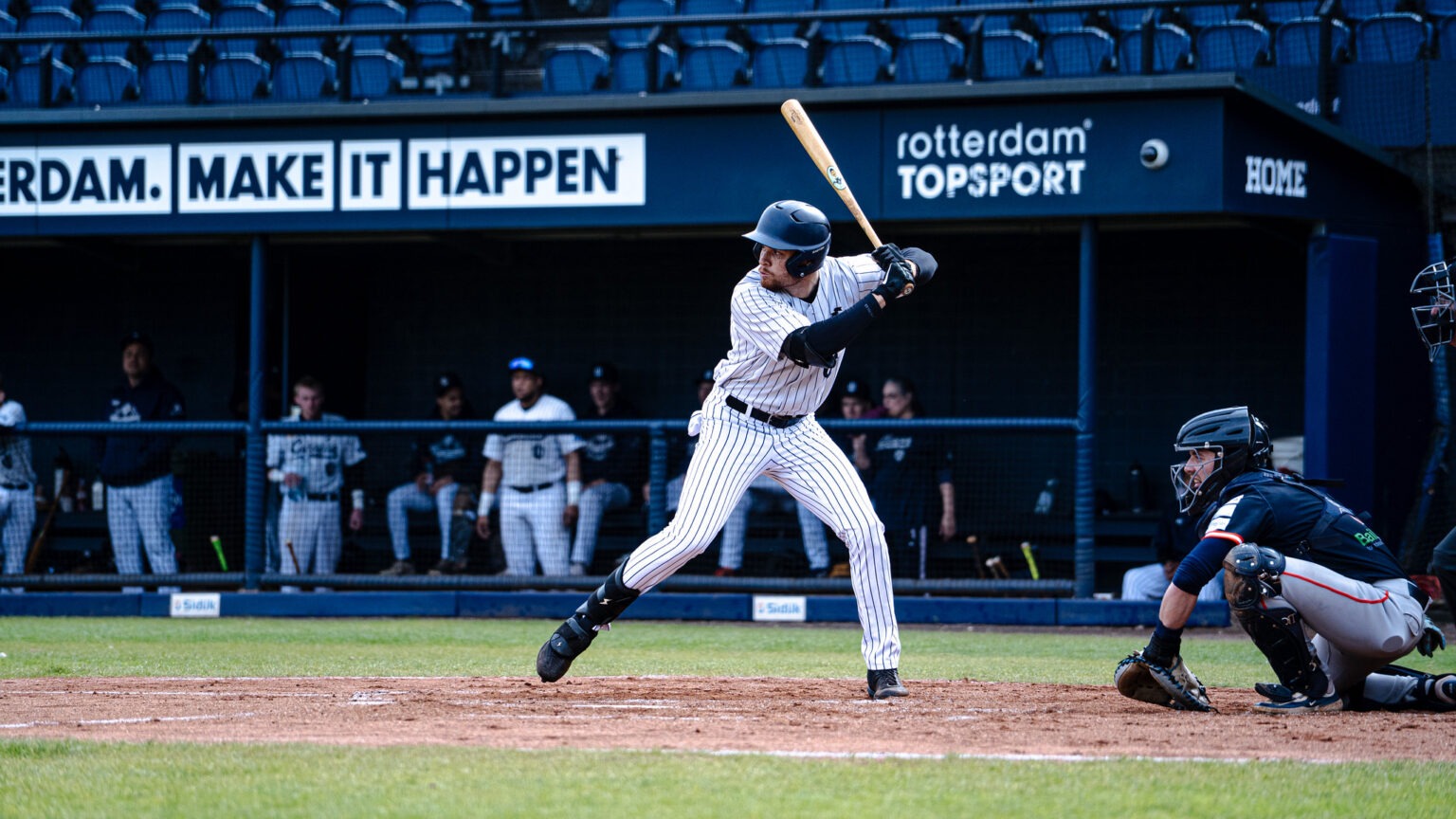
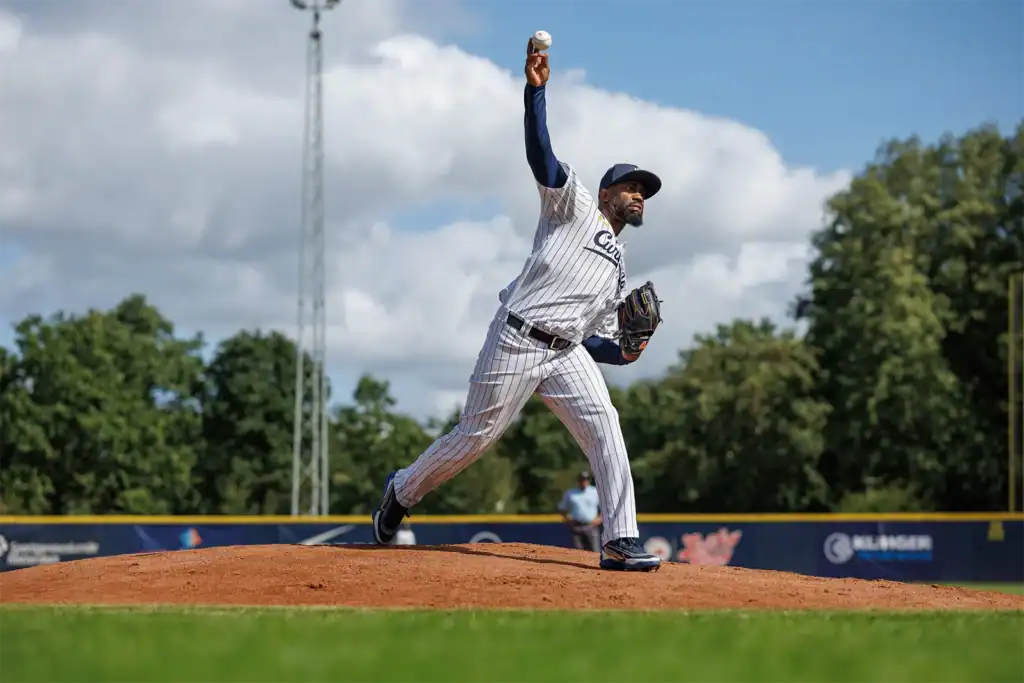
The opening month of the 2026 Dutch Hoofdklasse season has been defined by one name: Darryl Collins. The outfielder for Rotterdam Neptunus has delivered a near-flawless offensive stretch, powering the club to an unbeaten record through its first 12 games.
Collins, a former minor league prospect in the Kansas City Royals organization, is not just producing, he is dominating every phase of offensive baseball with elite efficiency and situational impact.
Elite Production Across the Board
Through 12 games (all starts), Collins has compiled one of the most complete stat lines in European baseball this season:
- Games / Starts: 12 / 12
- At-bats: 40
- Hits: 18
- Runs scored: 8
- Doubles / Triples / Home Runs: 2 / 1 / 2
- Runs Batted In: 14
- Total Bases: 28
His slash line underscores the magnitude of his performance:
- Batting Average: .450
- On-Base Percentage: .540
- Slugging Percentage: .700
- OPS: 1.240
Collins has also demonstrated advanced plate discipline:
- Walks: 8
- Hit by pitch: 1
- Strikeouts: 3
That equates to a strikeout rate of just 6.1% and a walk rate of 17.4%, an elite combination that places him among the most difficult hitters to neutralize early this season.
Situational Impact and Offensive Efficiency
Beyond the raw numbers, Collins’ situational hitting has been a defining factor in Neptunus’ undefeated start:
- 14 RBI in 12 games reflects consistent production in run-scoring opportunities
- Just 1 grounded into double play, highlighting his ability to avoid rally-killing contact
- Contributions in small ball:
- 1 sacrifice fly
- 1 sacrifice bunt
- 1 stolen base, 0 caught stealing, showing efficient baserunning without unnecessary risk
His .700 slugging percentage is not inflated by excessive home runs but rather built on a balanced extra-base hit profile, including gap power and line-drive consistency. This makes Collins particularly difficult to game-plan against, he is not reliant on one offensive dimension.
Driving Neptunus’ Perfect Start
Rotterdam Neptunus’ undefeated record through the first month is not coincidental, it is structurally tied to Collins’ presence in the lineup.
Batting in a central run-producing role, Collins has:
- Provided early-game offensive momentum with high on-base frequency
- Sustained innings through elite contact rates
- Converted scoring opportunities at a high efficiency clip
His 1.240 OPS leads the team by a significant margin and sets the tone for an offense that has consistently outperformed opponents in both run creation and situational execution.
From Royals System to European Stardom
Collins’ development path adds further context to his breakout. As a former player in the Kansas City Royals minor league system, he was exposed to structured player development, advanced analytics, and high-level competition. That foundation is now translating into:
- Improved pitch recognition
- Refined strike zone control
- Consistent barrel contact
His transition into the Dutch league appears complete, and he is now leveraging that experience to dominate pitching at this level.
Early MVP Trajectory
While it is still early in the 2026 season, Collins’ performance places him firmly in the early MVP conversation. The combination of:
- Elite slash line production
- Exceptional plate discipline
- High-leverage run creation
- Direct impact on team success
creates a profile that is difficult to match across the league.
If Collins sustains even a portion of this output over a full season, he will not only contend for MVP honors but could also produce one of the most statistically dominant campaigns in recent Hoofdklasse history.
Outlook
The key question moving forward is sustainability. Pitchers will adjust, scouting reports will tighten, and opposing teams will attempt to exploit any tendencies. However, given Collins’ current:
- Low strikeout rate
- High walk rate
- Balanced extra-base production
there are strong indicators that his success is skill-driven rather than streak-dependent.
For now, one fact is clear: Darryl Collins is the engine behind Rotterdam Neptunus’ perfect start, and the standard against which all MVP candidates are being measured in 2026.