Best Baseball Gloves (2026): Top 10 Picks by Position & Budget
From pro-grade steerhide to the first glove for your kid: the ten gloves worth buying this year, what each one does best, and how to pick the right size for your position.
By World Baseball News · Last updated September 2026 · 10 gloves, a size chart and 9 FAQs
A good glove is the one piece of baseball equipment you can use for years, and the difference between a well-built glove and a cheap one shows up every time a ball finds the pocket. The problem is choice: Wilson, Rawlings, Mizuno and a dozen other brands sell hundreds of patterns at prices from $50 to well over $400.
This guide cuts that down to ten. We picked them on leather quality, construction, how widely they are used at the pro and college level, break-in time and value for money, based on manufacturer specs, retailer data and published reviews. Prices are typical US retail and move around by pattern and season.
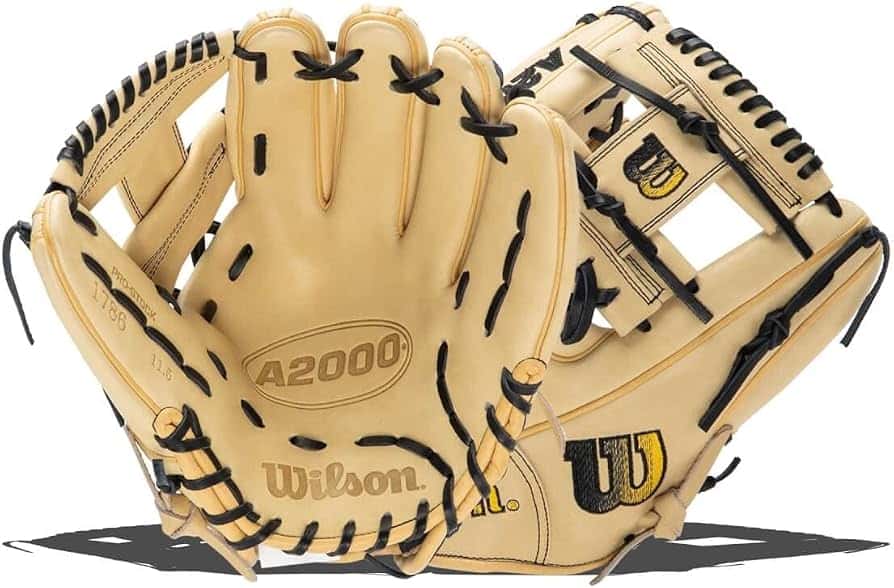
Pattern to look for: A2000 1786, 11.5" H-Web (infield)
Wilson A2000, our pick for best overall.
Price
$$$ about $250 to $330
Best for
High school, college, adult
Leather
Pro Stock steerhide
Break-in
3 to 4 weeks
The A2000 has been in Wilson's lineup since 1957, and it is still the glove most serious players measure everything else against. The Pro Stock steerhide starts out firm, which is exactly why it holds a clean pocket for years once it is broken in. Dual welting along the fingers and a Dri-Lex wrist lining help it keep its shape and stay drier through long summer doubleheaders.
The 1786 pattern is the classic middle-infield choice: 11.5 inches, a shallow-to-medium pocket and an H-Web that lets you get the ball out quickly on a double play. If you play the outfield, look at the 12.75-inch 1799 pattern in the same series.
Pros
Huge range of patterns for every position
Holds its shape for years
Prior-year colorways are often discounted
Cons
Firmer out of the box than Heart of the Hide
No factory 'game ready' option
02
Best for Fast Break-In
Rawlings Heart of the Hide
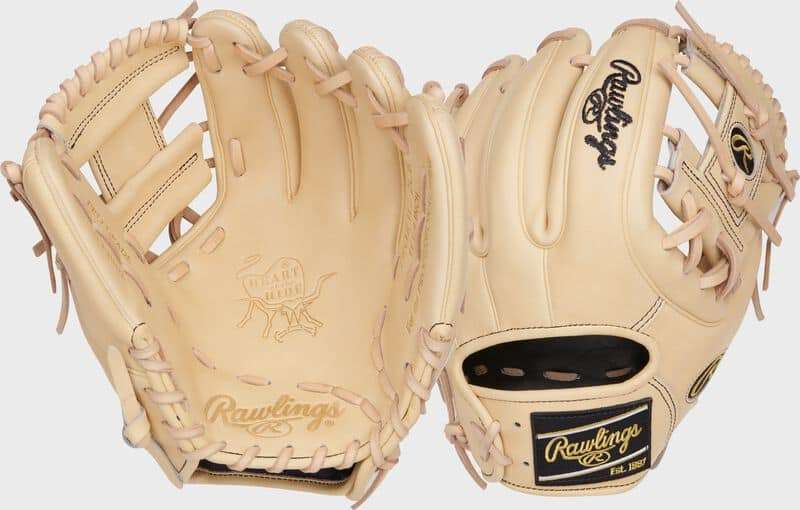
Pattern to look for: PRO205, 11.75" (third base / bigger infield)
Rawlings Heart of the Hide, our pick for best for fast break-in.
Price
$$$ about $250 to $330
Best for
High school, college, adult
Leather
Heart of the Hide steerhide
Break-in
2 weeks (R2G) to 4 weeks (standard)
Heart of the Hide is Rawlings' flagship steerhide line and the A2000's direct rival. The leather feels a touch thicker and softer out of the box, and the deer-tanned cowhide palm lining is comfortable from the first catch. It is a staple on MLB infields for a reason.
The big selling point is the R2G (Ready to Go) version, which ships with much of the break-in already done so it can be game-ready in around two weeks instead of a month. The PRO205 at 11.75 inches plays bigger and steadier, which suits third basemen who need to knock down hard-hit balls.
Pros
R2G option shortens break-in significantly
Soft, comfortable palm lining
Available for every position, including catcher and first base
Cons
Discounts are less common than on the A2000
R2G costs a little extra
03
Best Premium Glove
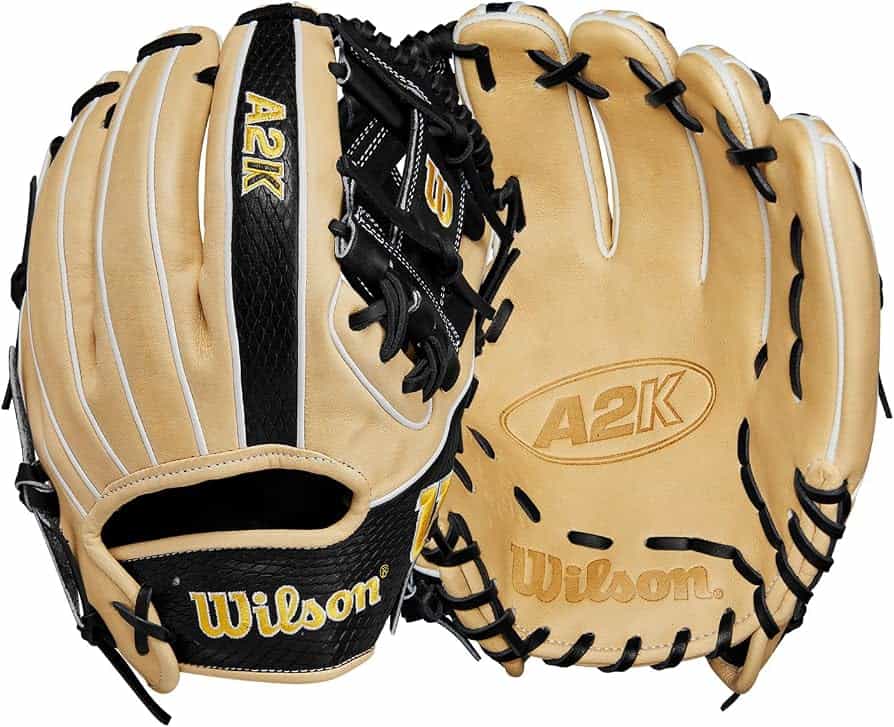
Wilson A2K
Available in infield, outfield and pitcher patterns
Wilson A2K, our pick for best premium glove.
Price
$$$$ around $400
Best for
College, pro, serious adult players
Leather
Pro Stock Select leather
Break-in
4 to 6 weeks
The A2K is the A2000's bigger brother. Wilson hand-sorts its Pro Stock Select leather so only the best hides make the cut, and each glove gets extra hand shaping at the factory. A double palm construction adds a thin extra layer of leather in the pocket so the shape stays locked in over several seasons.
It is stiff when new and asks for patience, but once broken in it is about as good as a production glove gets. Buy one if you play a lot of baseball and want a glove that will last you through college and beyond.
Pros
Top-grade leather with very few blemishes
Double palm keeps the pocket stable
Long lifespan with proper care
Cons
Expensive
Long, stiff break-in
04
Best Kip Leather Glove
Rawlings Pro Preferred
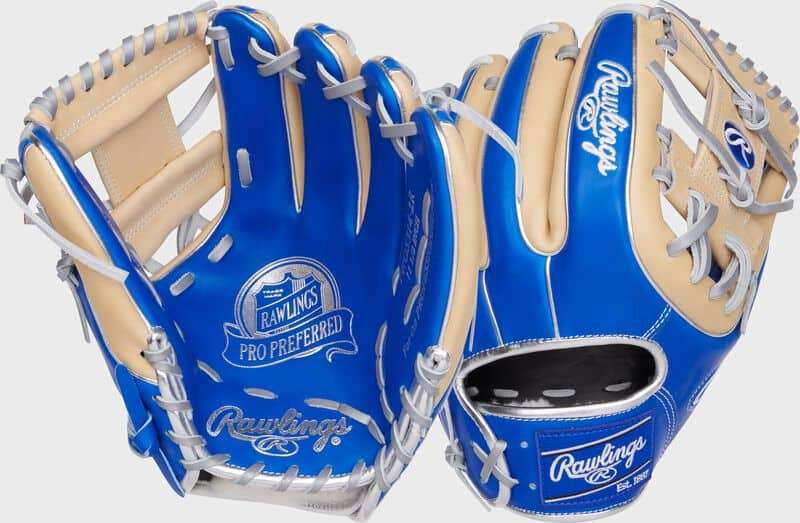
Popular with outfielders who want reach without weight
Rawlings Pro Preferred, our pick for best kip leather glove.
Price
$$$$ around $380 and up
Best for
College, pro, serious adult players
Leather
Kip leather
Break-in
4 to 6 weeks
Pro Preferred is Rawlings' premium line, made from kip leather taken from younger cattle. Kip is lighter and has a tighter grain than steerhide, which gives these gloves their smooth, almost flawless look and a lighter feel on the hand.
A Pittards sheepskin hand lining wicks sweat away, and the glove holds a very precise shape once broken in. That lighter weight makes it especially popular with outfielders who wear a bigger 12.5 to 12.75-inch glove all game.
Pros
Lighter than steerhide gloves of the same size
Sheepskin lining stays drier
Very refined look and feel
Cons
Premium price
Stiff at first despite the softer leather type
05
Best Japanese Craftsmanship
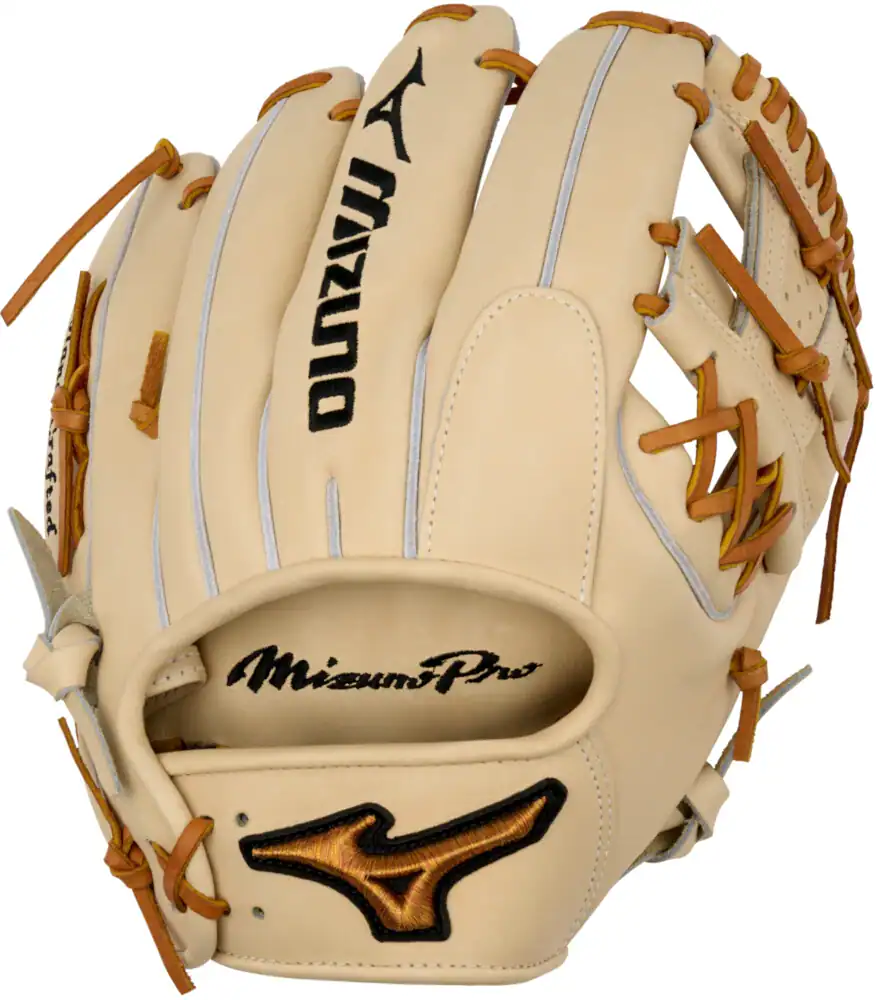
Mizuno Pro
Position-specific pocket designs in every pattern
Mizuno Pro, our pick for best japanese craftsmanship.
Price
$$$$ about $350 to $400
Best for
College, pro, serious adult players
Leather
Kip leather, handcrafted in Japan
Break-in
6 to 8 weeks
The Mizuno Pro is handcrafted in Japan with finger stalls shaped around a 3D hand mold and pockets designed for each position. It feels more supple than an A2K when new, and for many players it is the most comfortable premium glove on the market.
Give it time: a gradual break-in with regular use and a light conditioner works better than heat or steam. It is a strong choice for players who want premium build quality slightly below the price of the top Rawlings and Wilson models.
Pros
Excellent fit and hand feel
Handmade in Japan
Often priced below rival premium lines
Cons
Slow break-in
Fewer colorways in US stores
06
Most Innovative Glove
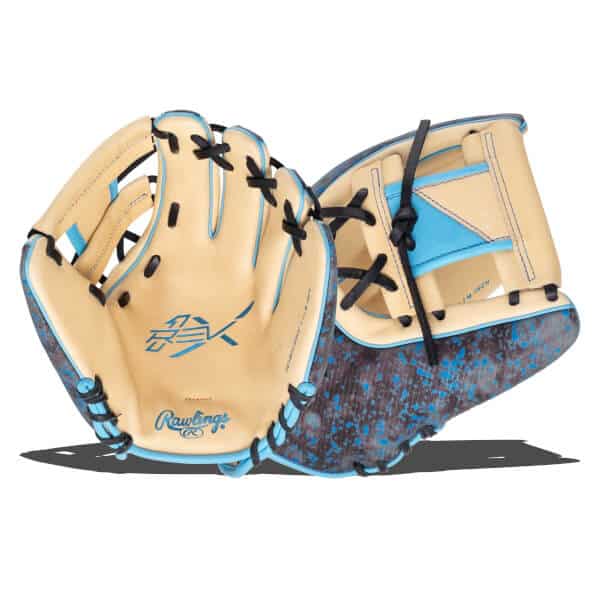
Rawlings REV1X
Infield, outfield and pitcher patterns
Rawlings REV1X, our pick for most innovative glove.
Price
$$$$ premium price range
Best for
High school, college, adult
Leather
Heart of the Hide palm, 3D-printed synthetic back
Break-in
1 to 2 weeks
The REV1X combines a Heart of the Hide steerhide catching surface with a 3D-printed synthetic back and an adjustable fit system. The result is one of the lightest premium gloves you can buy, and one that breaks in quickly while still holding its shape.
It looks different from any traditional glove, which is part of the appeal for younger players. If you want pro-level leather where the ball lands but less weight on your hand, this is the glove to try.
Pros
Very lightweight
Quick break-in
Adjustable fit around the hand
Cons
Unusual look is not for traditionalists
Premium price for a partly synthetic glove
07
Best Catcher's Mitt
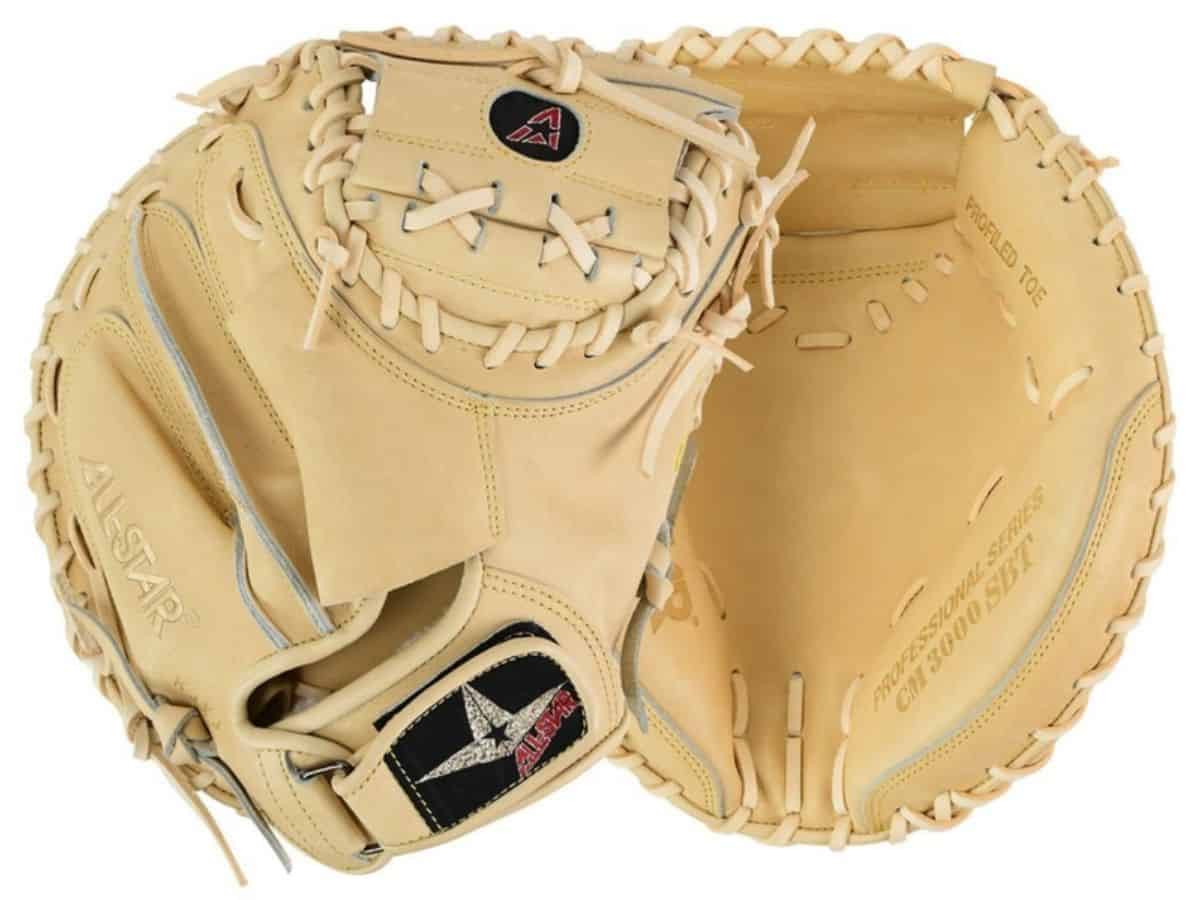
All-Star Pro Elite Catcher's Mitt
Model to look for: CM3000, 33.5"
All-Star Pro Elite Catcher's Mitt, our pick for best catcher's mitt.
Price
$$$ premium price range
Best for
Travel ball, high school, college, pro
Leather
Japanese steerhide
Break-in
2 to 4 weeks
All-Star specializes in catching gear, and the Pro Elite is its flagship mitt. The Japanese steerhide gives it the loud pop pitchers love to hear, and the mitt is built to stay firm around the pocket when catching velocity inning after inning.
It comes stiff out of the package, so plan a few weeks of catch before games. For a dedicated catcher, few mitts offer this combination of structure, durability and feel.
Pros
Built by a catching specialist
Loud, satisfying pop
Holds a firm pocket for receiving
Cons
Stiff when new
Limited colorways
08
Best American Heritage Brand
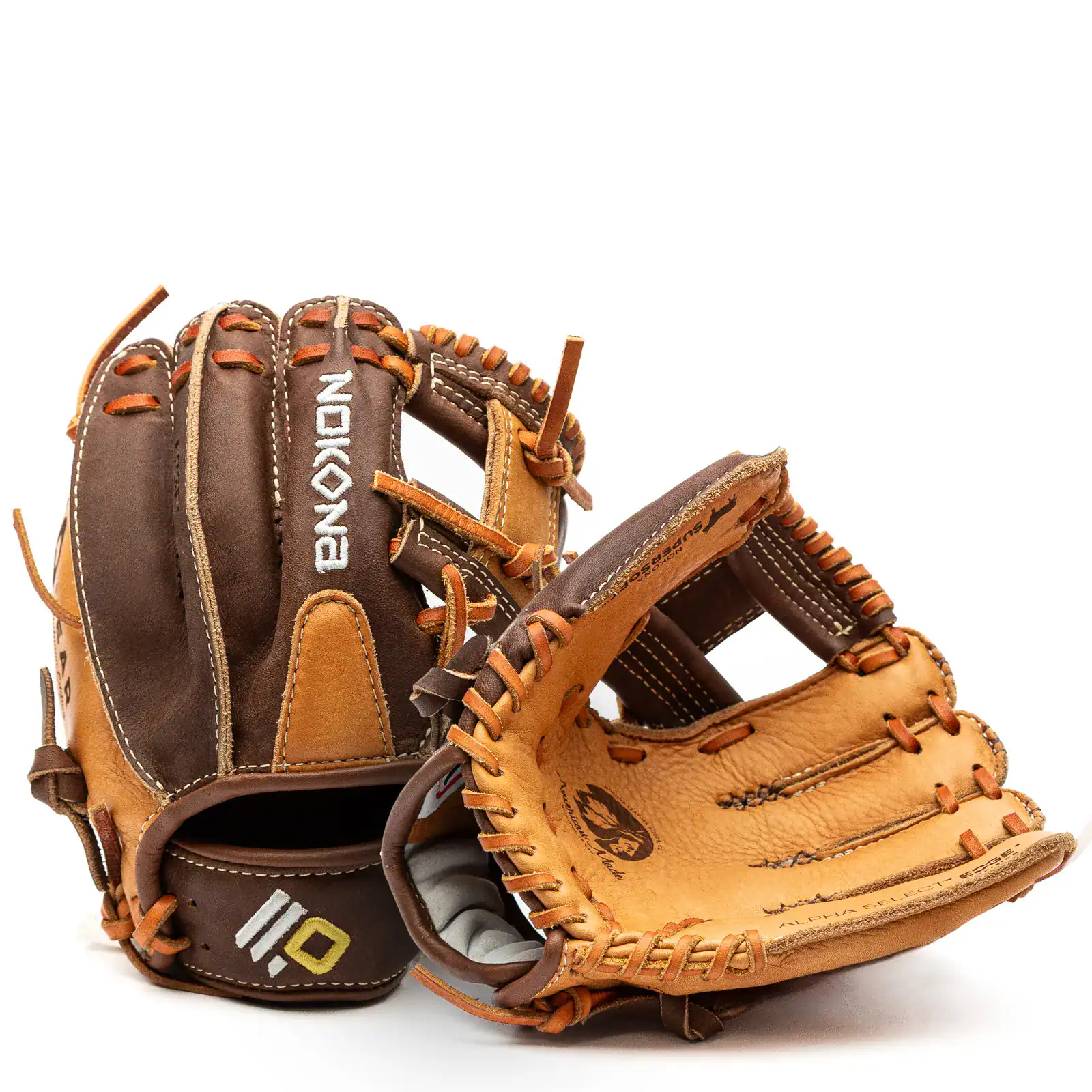
Nokona
Look at the Alpha line for younger players
Nokona, our pick for best american heritage brand.
Price
$$ to $$$$ varies by line
Best for
Youth to adult
Leather
Top-grain leather
Break-in
1 to 4 weeks, depending on line
Nokona has been making gloves in Nocona, Texas since 1934 and is one of the last big glove makers with deep American roots. Its gloves use top-grain leather and have a distinct, classic look that stands out from the big two brands.
The Alpha line is lighter and breaks in easily, which makes it a good fit for younger competitive players. The higher-end lines are built for players who value craftsmanship and want something different from a Wilson or Rawlings.
Pros
Family-run brand with a long history
Distinctive classic look
Alpha line is nearly game-ready out of the box
Cons
Harder to find in regular sports stores
Higher-end lines are pricey
09
Best Value Glove
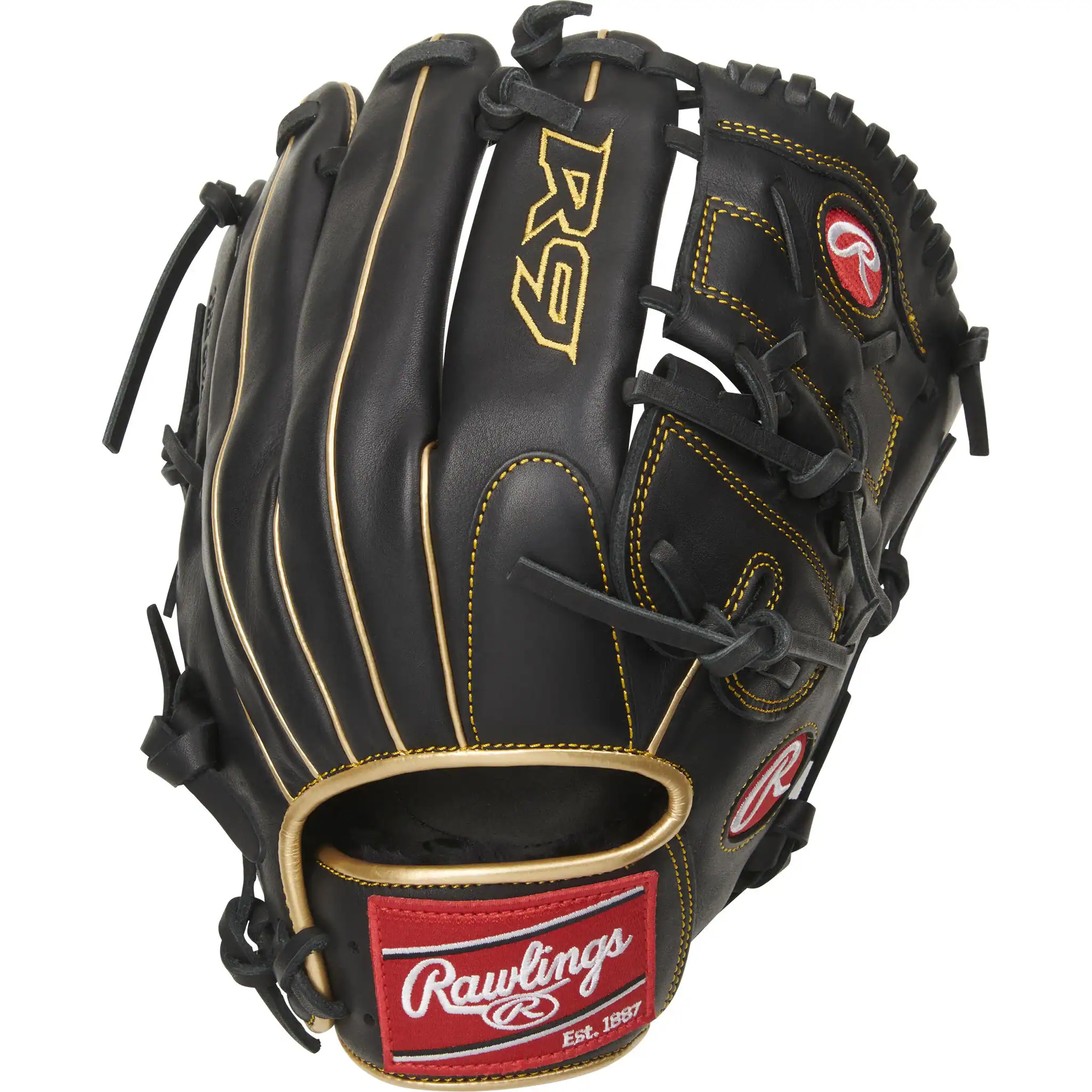
Rawlings R9
Pattern to look for: 11.5" infield
Rawlings R9, our pick for best value glove.
Price
$$ around $100 to $150
Best for
Youth competitive, high school, adult rec
Leather
All-leather shell
Break-in
1 to 2 weeks
The R9 gives you an all-leather glove built on Rawlings pro patterns for roughly half the price of a Heart of the Hide. It breaks in faster than the premium lines and holds up well for players who play a full season but do not need a pro-grade glove yet.
A ContoUR fit version with narrower finger stalls and a smaller hand opening is available for younger players with smaller hands, which makes the R9 a smart step-up glove for ages 9 to 13.
Pros
Real leather at a mid-range price
Quick break-in
ContoUR fit option for smaller hands
Cons
Not as durable as premium steerhide
Pocket can lose shape faster
10
Best for Young Players
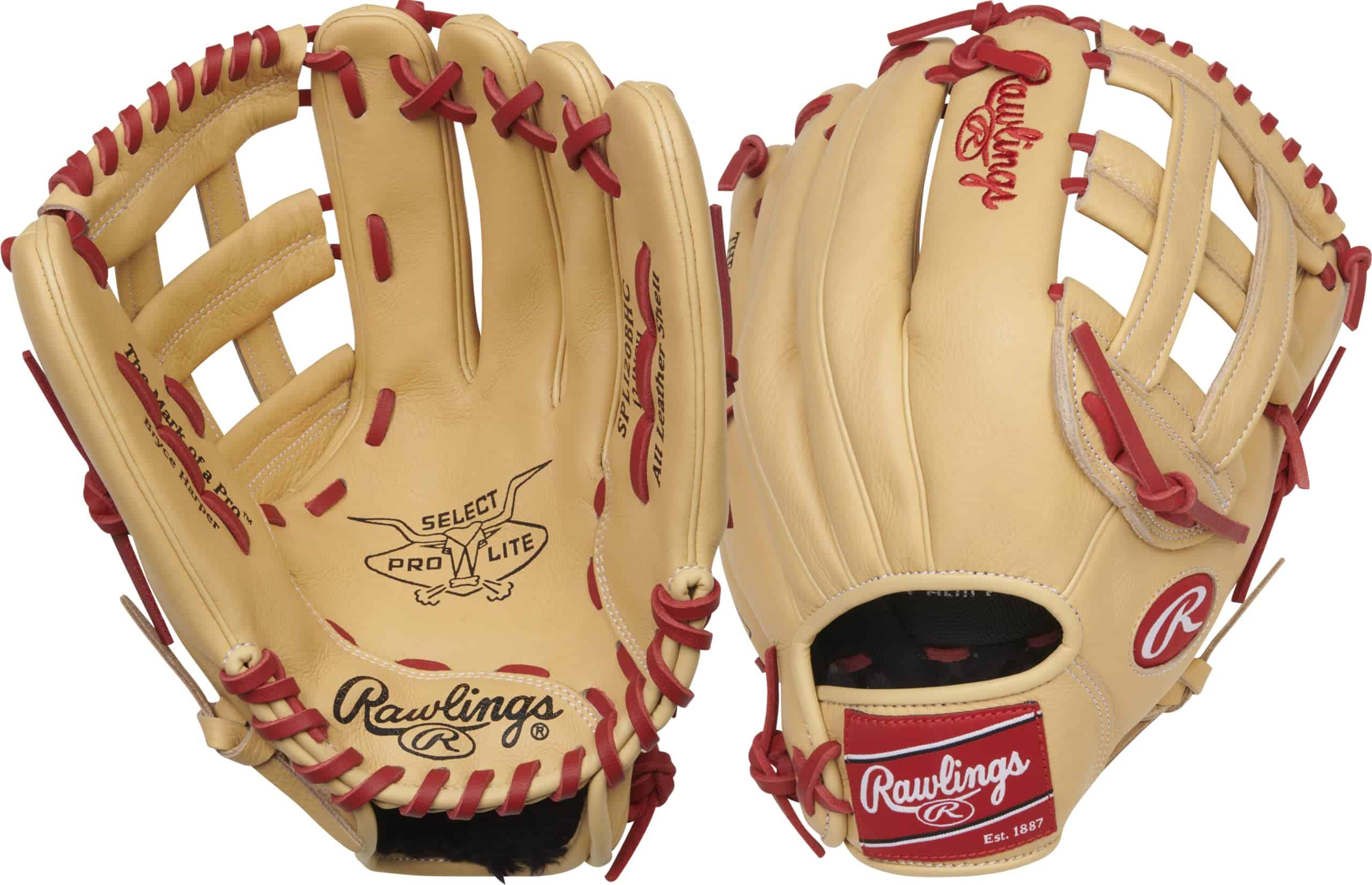
Rawlings Select Pro Lite
Youth patterns modeled on MLB players' gloves
Rawlings Select Pro Lite, our pick for best for young players.
Price
$ around $50 to $75
Best for
Ages 6 to 9, recreational
Leather
Soft, lightweight leather
Break-in
Almost game-ready out of the box
Young players need a glove that closes easily, and that is exactly what the Select Pro Lite is built for. It is light, soft and arrives almost fully broken in, so kids can catch with it from day one instead of fighting a stiff pocket.
The patterns are modeled on gloves used by MLB players, which is a nice bonus for kids who want to look like their heroes. It is the glove we would hand to any first- or second-year player.
Pros
Lightweight and easy to close
Game-ready almost immediately
Affordable
Cons
Will be outgrown within a few seasons
Not built for older, harder-throwing players
11
Baseball Glove Size Chart by Position and Age
Glove size is measured from the tip of the index finger down to the heel. Use this chart as a starting point, then go by feel: you should be able to close the glove fully with one hand.
Age group
Infield
Outfield
First base
Catcher
T-ball (4 to 6)
8.5" to 10"
8.5" to 10"
n/a
n/a
Youth (7 to 9)
10" to 11"
10.5" to 11.5"
11" to 12"
30" to 31"
Youth (10 to 12)
10.75" to 11.5"
11.5" to 12.25"
11.5" to 12"
31" to 32"
Teen (13 to 15)
11" to 11.75"
12" to 12.75"
12" to 12.5"
32" to 33"
Adult (16+)
11.25" to 12"
12" to 12.75"
12" to 13"
32.5" to 34"
12
How to Choose a Baseball Glove
Four things decide whether a glove is right for you, in this order.
1. Position
Middle infielders want a small glove with a shallow pocket for quick transfers. Third basemen go slightly bigger. Outfielders need length and a deep pocket, pitchers a closed web, and catchers and first basemen a dedicated mitt.
2. Leather
Steerhide (A2000, Heart of the Hide) is thick and durable. Kip (A2K, Pro Preferred, Mizuno Pro) is lighter and smoother. Softer cowhide and synthetic blends break in fast but wear out sooner.
3. Break-in time
Need it for games next week? Look for factory-softened options like Rawlings R2G or a youth glove. Willing to wait a month? A stiff premium glove will reward you with a pocket that lasts for years.
4. Budget
Under 13, spend less: kids outgrow gloves fast. For high school and up, a $250 to $350 glove is the sweet spot. Beyond $350 you pay for the best leather and extra hand shaping.
13
Baseball Glove FAQ
Short answers to the questions players and parents ask most before buying a glove.
What is the best baseball glove brand?
Rawlings and Wilson are the two most widely used glove brands in professional baseball, and their Heart of the Hide and A2000 lines are the usual benchmark. Mizuno, All-Star, Nokona and 44 Pro are also well respected. The best brand for you depends on your position, budget and how quickly you need the glove to be game-ready.
What size baseball glove do I need?
Glove size depends on position and age. Adult middle infielders usually wear 11.25 to 11.5 inches, third basemen 11.75 to 12 inches, outfielders 12.25 to 12.75 inches, first base mitts run 12 to 13 inches and catcher's mitts 32.5 to 34 inches. Youth players aged 7 to 9 typically use 10 to 11.5-inch gloves.
What is the difference between steerhide and kip leather?
Steerhide comes from full-grown cattle and is thicker, stiffer and very durable, with a break-in of several weeks. Kip leather comes from younger cattle and is lighter with a tighter grain and a smoother look. Heart of the Hide and A2000 use steerhide, while Pro Preferred and Mizuno Pro use kip.
How long does it take to break in a baseball glove?
A premium steerhide or kip glove usually takes 3 to 8 weeks of regular catch to break in fully. Factory-softened options such as Rawlings R2G can be game-ready in about two weeks, and many youth gloves are nearly game-ready out of the box.
Should I put my new glove in the oven or steam it?
It is best to avoid ovens and microwaves, because high heat can dry out the leather and weaken the laces. Playing catch, working the pocket by hand and using a small amount of glove conditioner is the safest way to break in a glove. Professional steaming at a store is an option, but it can shorten the glove's lifespan.
Is an expensive glove worth it for a youth player?
Usually not. Young players outgrow gloves quickly and need something light that closes easily. A glove such as the Rawlings Select Pro Lite or R9 is a better fit until a player is around 13 or 14 and playing at a competitive level where a premium glove's durability pays off.
What web type should I choose?
Infielders usually prefer open webs such as the H-Web or I-Web because they help with quick transfers. Pitchers use closed webs to hide their grip from the batter. Outfielders often choose a trapeze or H-Web for extra reach and a deeper pocket.
How long does a good baseball glove last?
A well-maintained premium leather glove can last five years or more of regular play. Keeping it dry, conditioning it once or twice a season and storing it with a ball in the pocket all help extend its life.
Can I use a baseball glove for softball?
You can for casual slowpitch, but fastpitch and slowpitch softball gloves have larger, deeper pockets built for the bigger ball. If you play softball regularly, a dedicated softball glove will make catching noticeably easier.
The bottom line
For most high school and adult players, the Wilson A2000 or Rawlings Heart of the Hide is the right glove: pro-level leather, every position covered, and years of use. Want the best available? Go for the A2K, Pro Preferred or Mizuno Pro. Buying for a young player? Start with the Select Pro Lite or R9 and save the premium glove for later.
World Baseball News covers MLB, NPB, KBO, the ABL, the Honkbal Hoofdklasse, the Czech Extraliga and leagues from across the baseball world. This guide is independent: we do not receive payment from any of the brands listed.