Best Baseball Bats (2026): Top 10 BBCOR, USSSA, USA & Wood Picks
BBCOR for high school and college, USSSA and USA Baseball for youth players, and wood for the purists: the ten bats worth buying this year, and how to pick the right size and certification.
By World Baseball News · Last updated September 2026 · 10 bats, a size chart and 9 FAQs
Buying a bat is more complicated than buying a glove. Before you even look at brands, you need a bat that is legal in your league: BBCOR for high school and college, USSSA or USA Baseball for most youth players, or wood. Then come length, drop weight, composite or alloy, and a price range that runs from under $100 to well over $400.
This guide picks ten bats across all those categories. We chose them on performance, feel, durability and value, based on manufacturer specs, retailer data and published test results. Prices are typical US retail, or the current European price for bats available from Bat King Europe, and change by model year and drop.
Some links on this page are affiliate links. If you buy through them, World Baseball News may earn a small commission at no extra cost to you. It does not affect which bats we include or how we rank them.
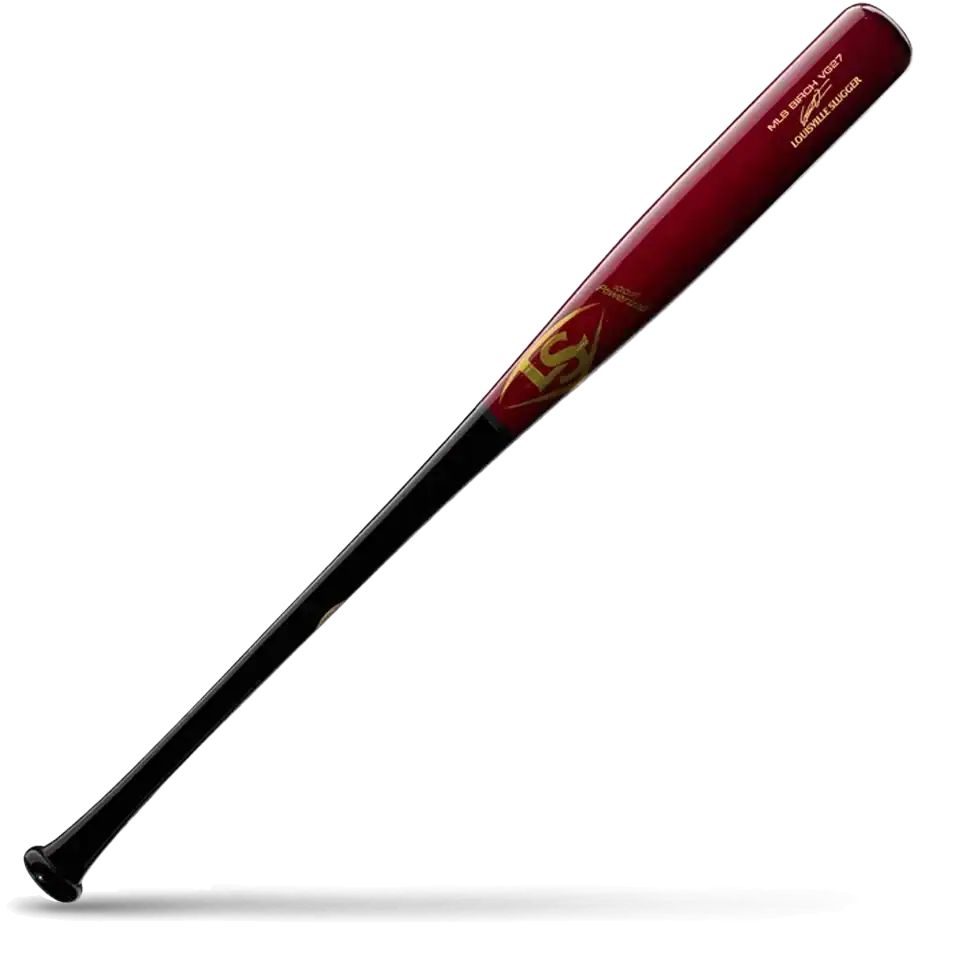
Louisville Slugger MLB Prime VG27, our pick for best overall.
Price
$$ €189
Best for
Wood-bat leagues, competitive adult and senior players
Construction
Pro-grade wood, balanced to slightly end-loaded
Certification
Wood (legal in every league)
MLB Prime is Louisville Slugger's premium, pro-style wood bat line. The VG27 is the game model of Vladimir Guerrero Jr., with a balanced to slightly end-loaded feel that gives fast swing speed with controlled power.
It is a bat for competitive hitters who care about timing and hard, consistent contact. In Europe, where most senior leagues play with wood, it is one of the best all-round choices you can make.
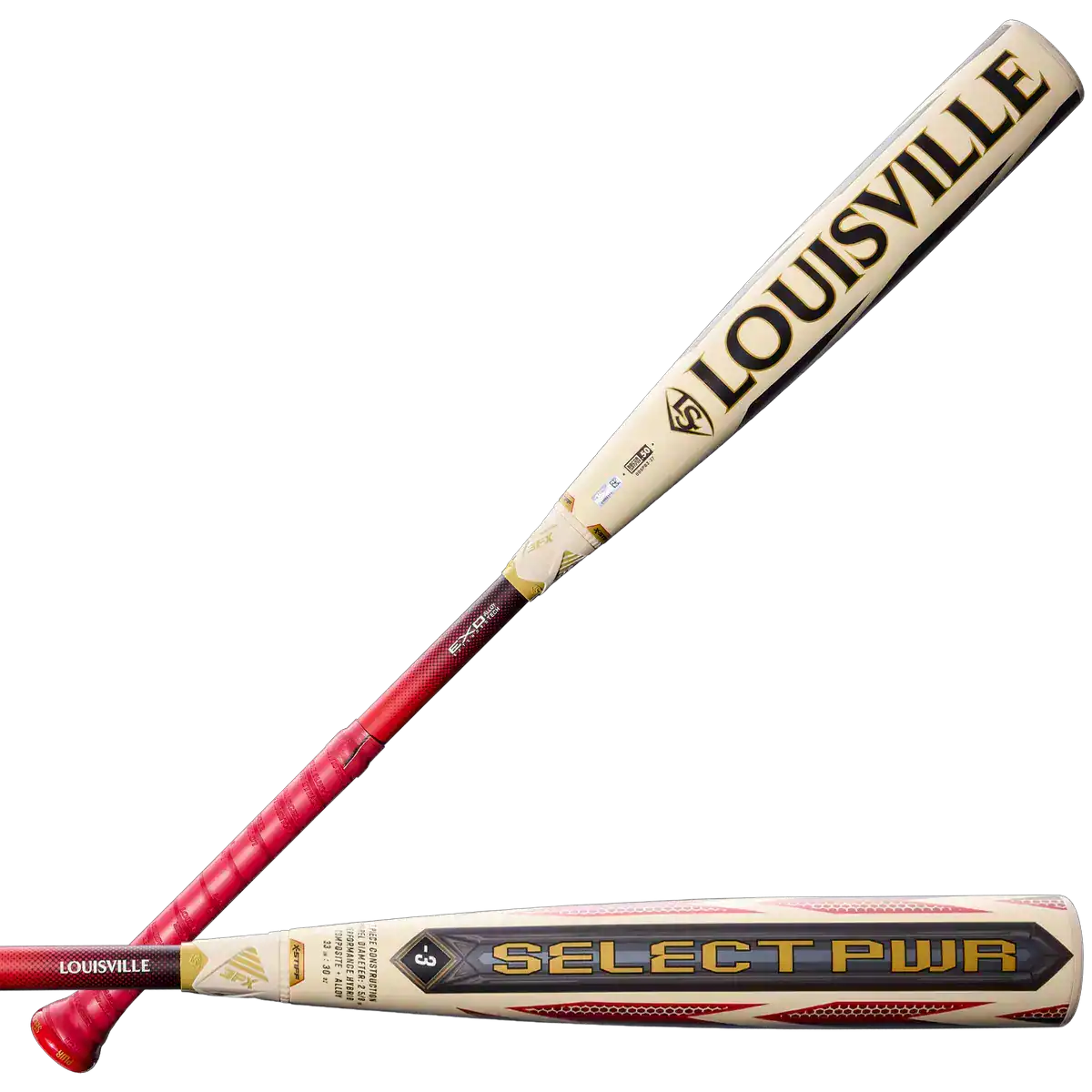
Louisville Slugger Select PWR, our pick for best for power hitters.
Price
$$$$ around $400
Best for
High school and college power hitters
Construction
Two-piece hybrid
Certification
BBCOR
The Select PWR pairs an alloy barrel with a separate handle, joined by Louisville Slugger's 3FX connection system. That combination gives you the stiff, direct feel power hitters like while taking out some of the vibration of a pure one-piece alloy.
Because the barrel is alloy, it is hot right out of the wrapper and does not need a break-in period. It is one of the strongest choices for middle-of-the-order hitters who want every bit of exit velocity.
Pros
Game-ready out of the wrapper
Strong energy transfer for power hitters
Less sting than a one-piece alloy
Cons
BBCOR only
Stiffer feel will not suit every hitter
03
Best One-Piece Alloy
DeMarini Voodoo One
BBCOR -3
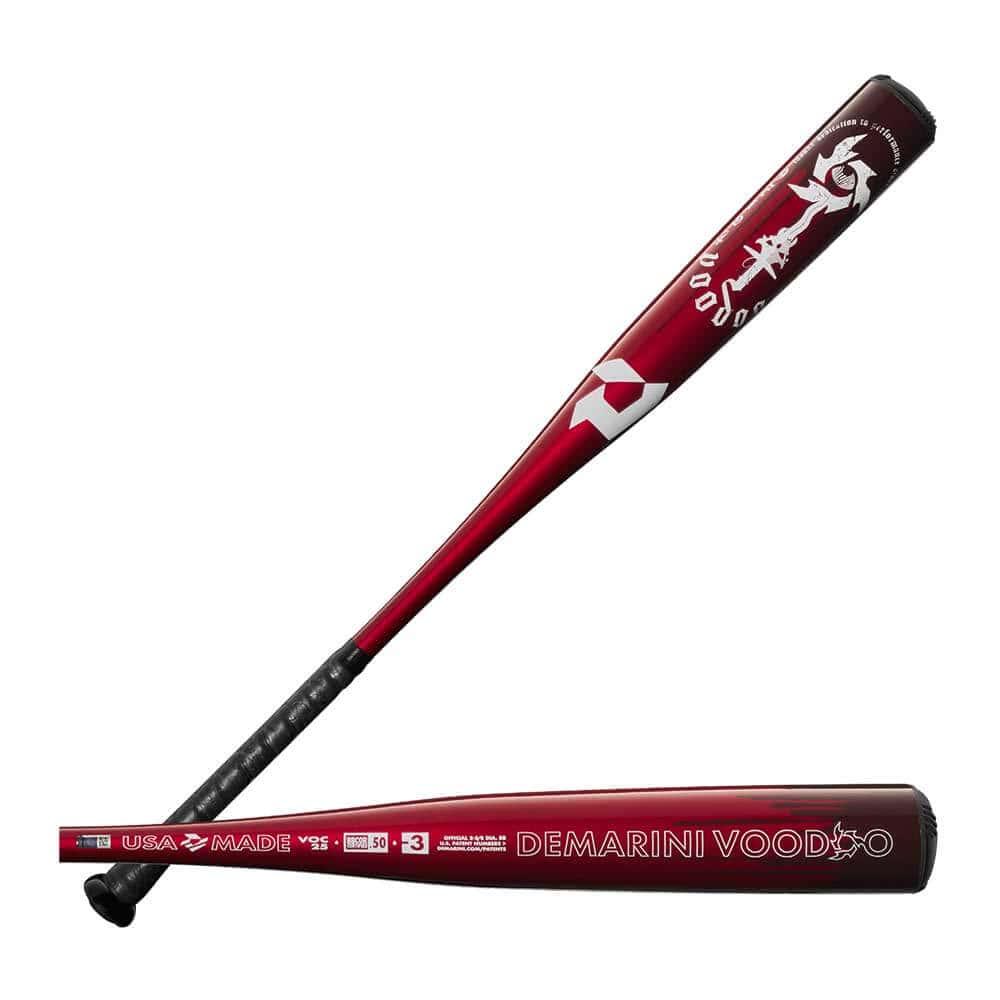
DeMarini Voodoo One, our pick for best one-piece alloy.
Price
$$$ around $350
Best for
High school and college contact hitters
Construction
One-piece alloy
Certification
BBCOR
The Voodoo One is a one-piece alloy bat built for hitters who want maximum feedback and barrel control. There is no connection piece between barrel and handle, so the whole bat stays stiff and you feel exactly where you made contact.
It is also a durable option that works well in cold spring weather, when composite bats are at greater risk of cracking. Solid all-round performance at a lower price than the top composite bats.
Pros
Stiff, direct feel for bat control
Ready to use immediately
Durable in cold weather
Cons
More sting on mishits than a two-piece bat
Smaller sweet spot than composites
04
Best Birch Bat
B45 Pro Select EE1 Birch
Pro Select EE1 turning, 33" and 33.5"
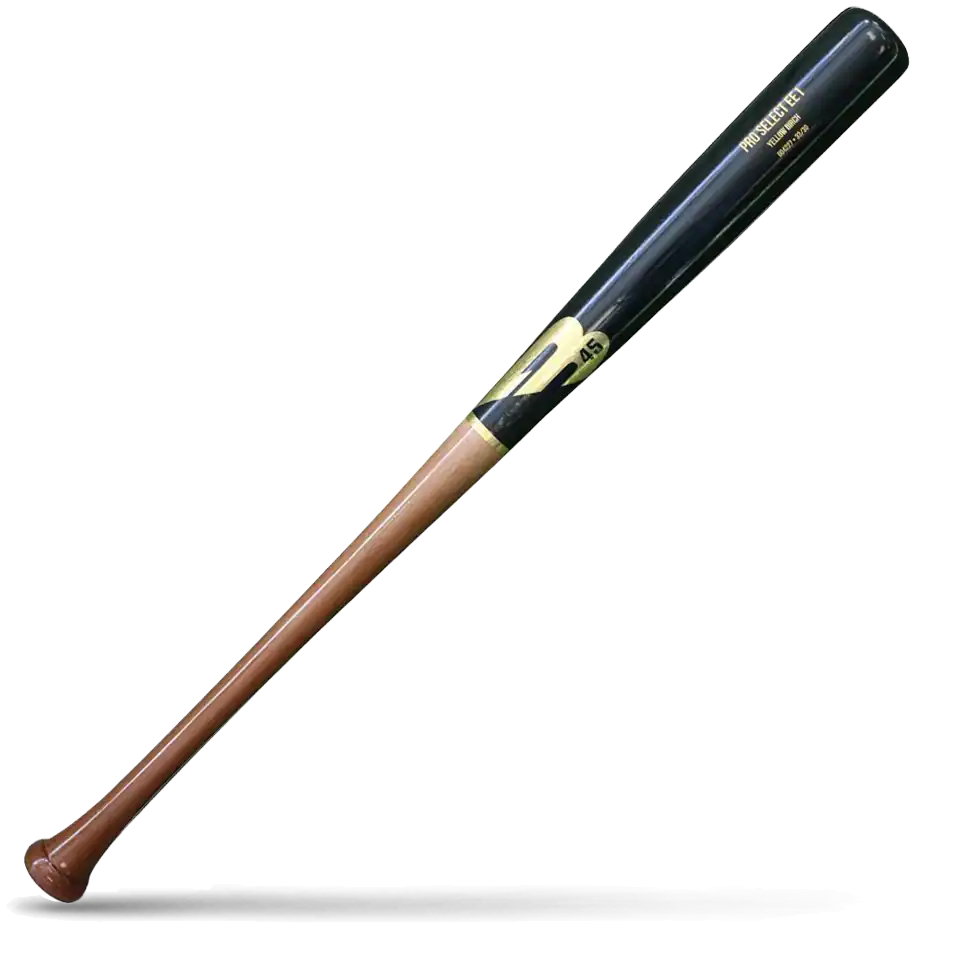
B45 Pro Select EE1 Birch, our pick for best birch bat.
Price
$$ €149
Best for
Competitive players who want a forgiving wood bat
Construction
Pro-grade birch, slightly end-loaded
Certification
Wood (legal in every league)
B45 made its name as a birch specialist, and the Pro Select EE1 shows why. Birch flexes slightly more than maple, which makes it more forgiving on contact just off the sweet spot and less likely to flake over time.
The EE1 is slightly end-loaded for extra power through the zone while keeping a smooth swing feel. A strong choice for hitters who find maple too stiff or who want a wood bat that lasts.
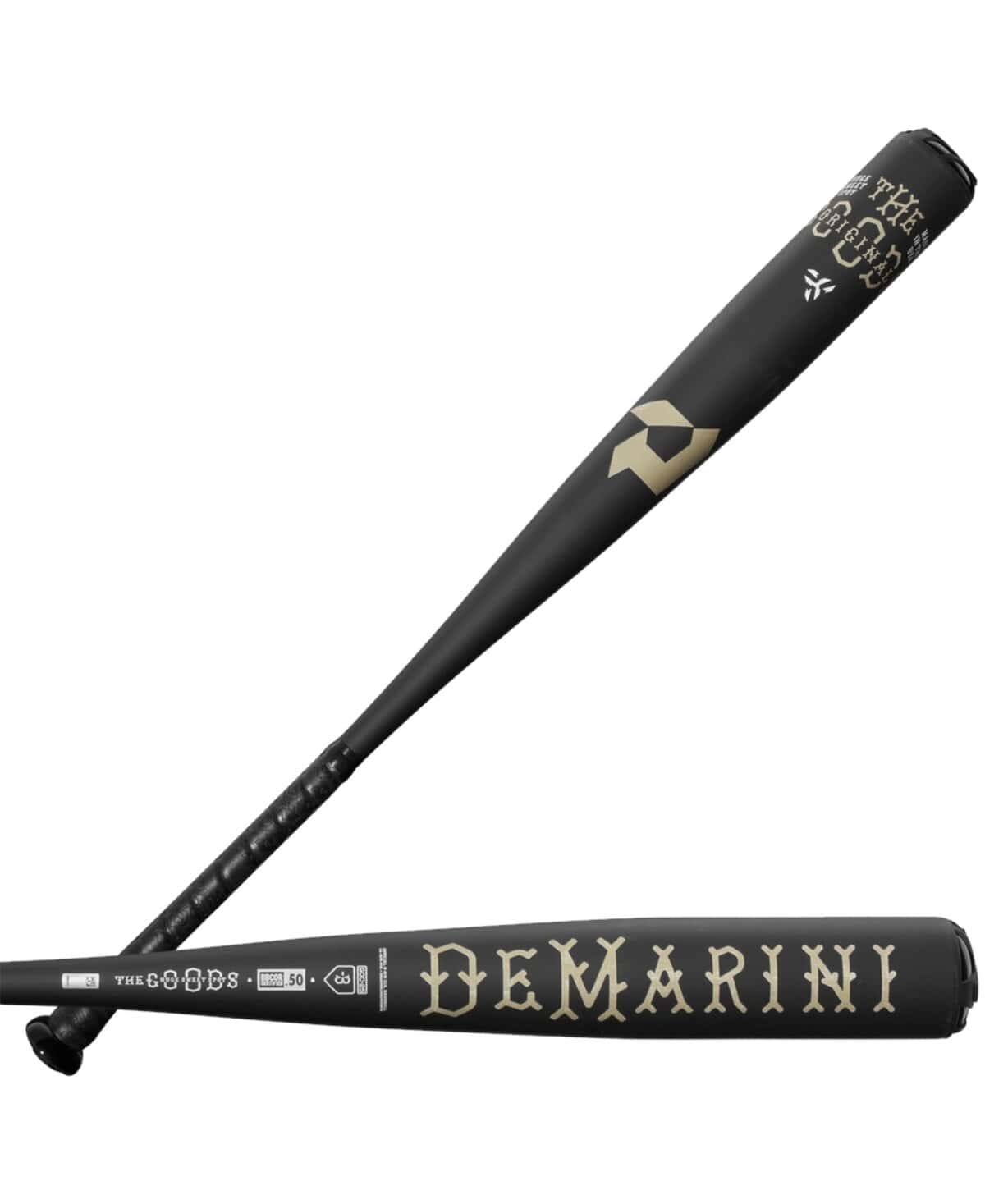
DeMarini The Goods, our pick for best end-loaded bat.
Price
$$$$ around $400
Best for
Strong high school and college hitters
Construction
Two-piece hybrid
Certification
BBCOR, USSSA
The Goods puts more of its weight toward the end of the barrel. That end-load helps stronger hitters carry the ball further, at the cost of a slightly slower swing for players who are not yet physically ready for it.
It uses an alloy barrel and a composite handle joined by DeMarini's Direct Connection, which gives a solid feel and good durability. Choose this if you already swing a balanced bat comfortably and want more mass through the zone.
Pros
End-load adds carry for strong hitters
Durable alloy barrel
Hybrid build reduces vibration
Cons
Heavier swing for younger players
Not ideal for contact hitters who rely on bat speed
06
Most Forgiving Bat
Warstic Bonesaber
BBCOR (MEGA) and USA Baseball hybrid models
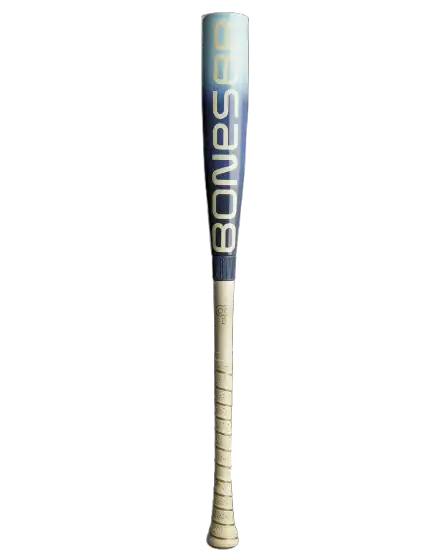
Warstic Bonesaber, our pick for most forgiving bat.
Price
$$$ about $250 (youth) to $350 (BBCOR)
Best for
Youth, high school
Construction
Alloy (BBCOR) / two-piece hybrid (youth)
Certification
BBCOR, USA Baseball
Warstic has grown from a small wood bat maker into a real alternative to the big brands, and the Bonesaber is its best known metal bat. The BBCOR MEGA version has an unusually large usable sweet spot for an alloy bat, which helps when contact is not perfect.
The youth hybrid version pairs a big alloy barrel with a composite handle and is game-ready without a break-in. A good pick for hitters who are still working on their contact point.
Pros
Large, forgiving sweet spot
Game-ready out of the wrapper
Distinctive design
Cons
Fewer drop options than the big brands
Harder to find in regular stores
07
Best Value Wood Bat
Marucci Gamer
Maple, 32", 33" and 34"
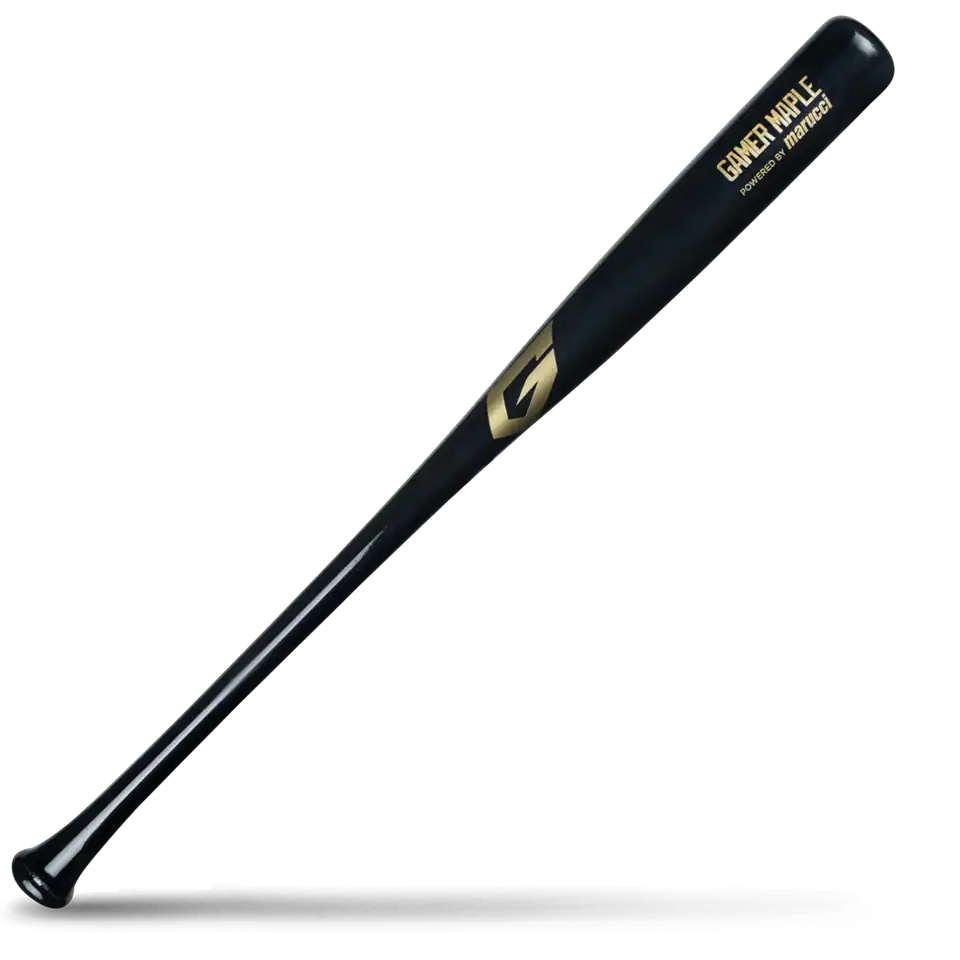
Marucci Gamer, our pick for best value wood bat.
Price
$ €109
Best for
Players buying a first quality wood bat, training
Construction
Maple
Certification
Wood (legal in every league)
The Gamer is Marucci's most affordable maple bat, but it is cut from carefully selected maple billets and individually turned and finished. The Ultra Penetrating Stain finish helps protect the wood and adds durability.
It is a smart pick if you need a reliable wood bat for games or training without paying pro-model prices, and it comes in the three most popular adult lengths.
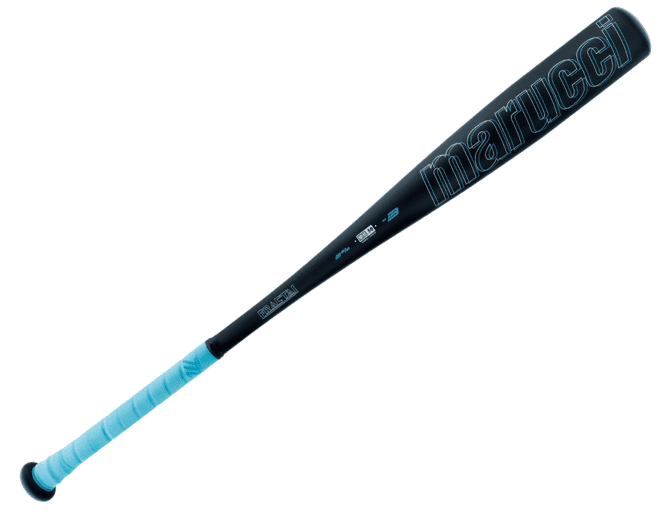
Marucci Fractal, our pick for best for young hitters.
Price
$ around $100
Best for
Ages 7 to 10, Little League
Construction
One-piece alloy
Certification
USA Baseball
Young hitters need a light bat they can swing fast and control, and the -12 Fractal is built for exactly that. Its mid-balanced feel helps kids get the barrel through the zone without dragging the bat.
It carries the USA Baseball stamp, so it is legal in Little League and most recreational leagues. A smart, affordable choice for a player who will likely outgrow the bat within a season or two.
Pros
Very light -12 drop
Affordable
USA Baseball approved for Little League
Cons
Will be outgrown quickly
Not allowed in most USSSA travel tournaments
09
Best Classic 271 Turning
Victus JC24 Pro Reserve
271-style turning, maple or birch
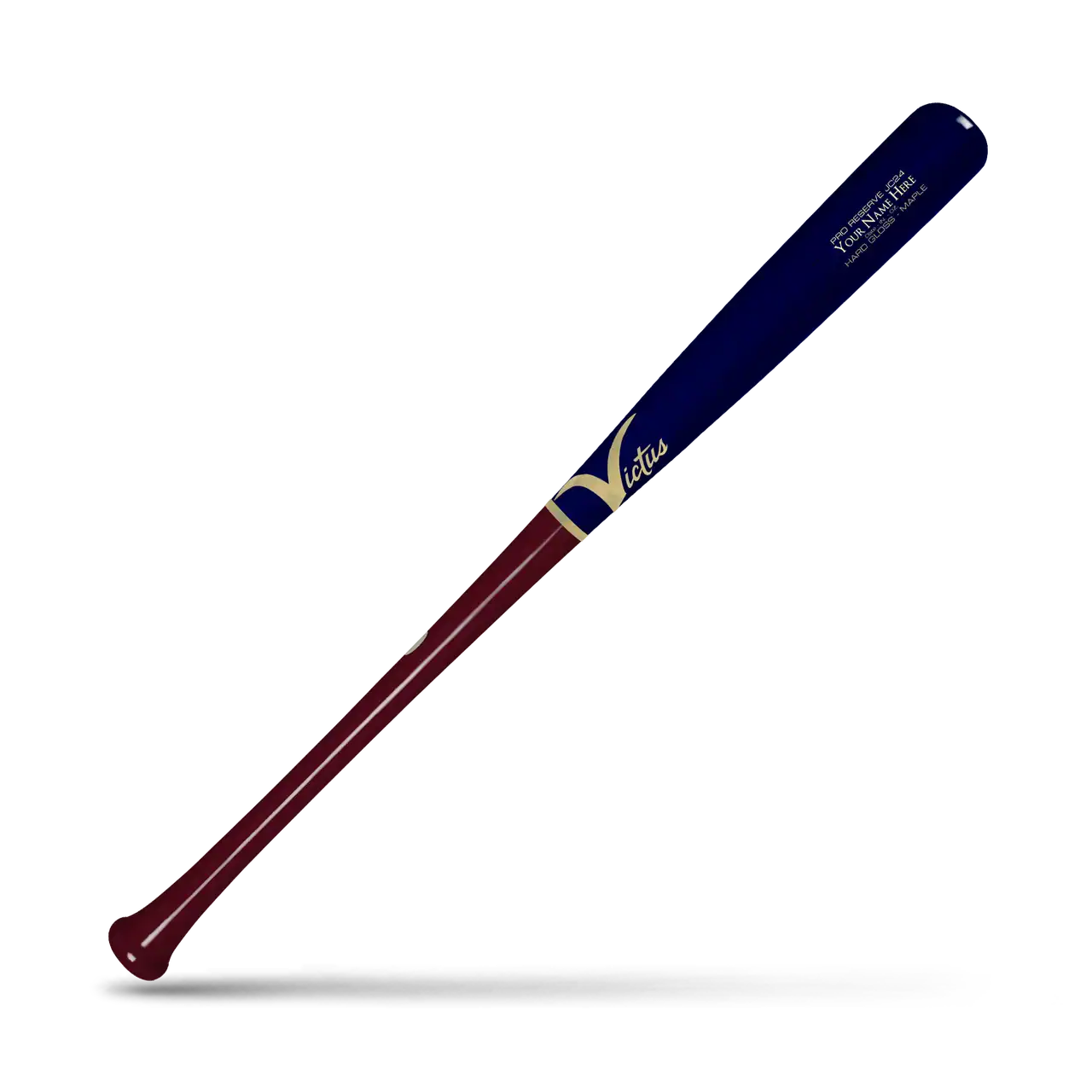
Victus JC24 Pro Reserve, our pick for best classic 271 turning.
Price
$$ around $140 to $200
Best for
Wood-bat leagues, college summer ball, adults
Construction
Pro-grade wood
Certification
Wood (legal in every league)
Victus is one of the most used bat brands in MLB, and the JC24 Pro Reserve brings a pro-level wood bat to regular players. It uses a balanced 271-style turning with a medium barrel and a comfortable handle that suits most hitters.
The birch version flexes a little more and is less likely to flake, while the maple version is harder and denser. Either way you get pro-grade wood and a -3 drop, so it is a natural fit for wood-bat leagues and players who want to train with wood.
Pros
Pro-grade wood from an MLB supplier
Balanced, familiar turning
Choice of maple or birch
Cons
Wood can break on inside pitches
Smaller sweet spot than metal bats
10
Most Durable Wood-Style Bat
Baum Bat AAA Pro
Wood composite, -3
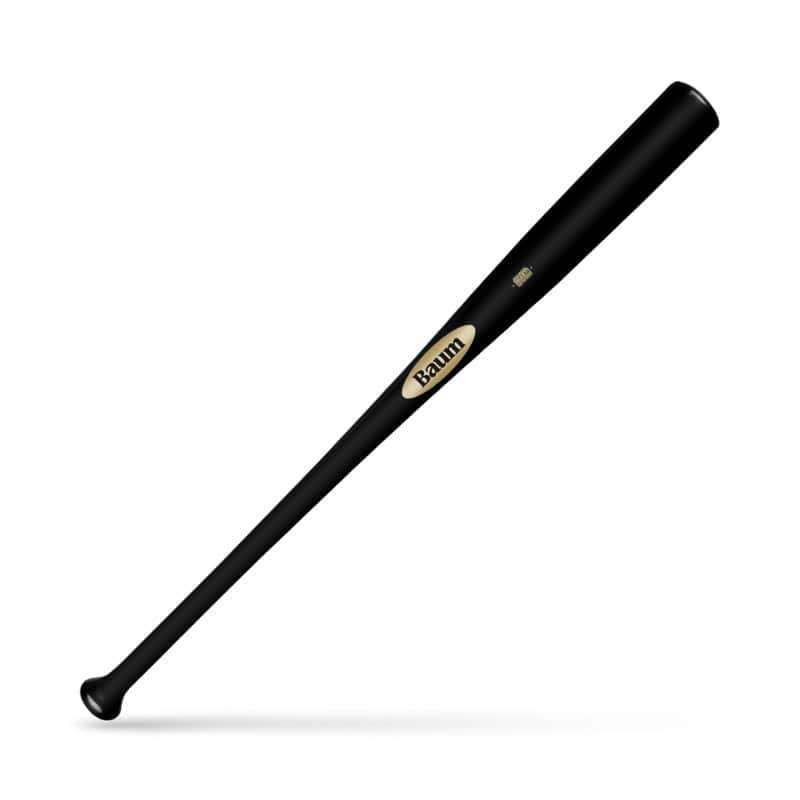
Baum Bat AAA Pro, our pick for most durable wood-style bat.
The Baum Bat looks and plays like a wood bat but is built from a wood composite that lasts far longer than a normal maple or ash bat. Many players use one for batting practice for years, and it is approved in many wood-bat and adult leagues.
It costs more than a single wood bat, but if you break several wood bats a season it quickly pays for itself. Always check your league rules first, because not every wood-bat league allows composite wood.
Pros
Lasts much longer than solid wood
Realistic wood-bat feel
Ideal for batting practice
Cons
Higher upfront price
Not legal in every wood-bat league
11
BBCOR vs USSSA vs USA Baseball: Which Bat Is Legal?
The certification stamp on the bat decides where you can use it. Check your league rules before buying: the wrong stamp means the bat stays in the bag.
Stamp
Used in
Drops
What it means
BBCOR
High school (NFHS) and college (NCAA)
-3 only
Performs close to wood; required for high school and college.
USSSA (1.15 BPF)
Travel ball, most youth tournaments
-5 to -13
The 'hottest' youth standard, allowed more pop.
USA Baseball
Little League, Babe Ruth, PONY, AABC
-5 to -13
Performs closer to wood than USSSA bats.
Wood
All leagues, pro baseball
usually -3
Always legal; maple, birch or ash.
12
Baseball Bat Size Chart by Age and Height
Use this as a starting point. A quick test: hold the bat by the handle straight out to your side. If you cannot keep it level for about ten seconds, it is too heavy.
Age
Height
Bat length
Typical drop
5 to 7
3'0" to 4'0"
24" to 26"
-11 to -13
8 to 10
4'0" to 4'8"
26" to 29"
-10 to -12
11 to 12
4'8" to 5'2"
29" to 31"
-8 to -10
13 to 14
5'0" to 5'8"
30" to 32"
-5 to -8
15 and up
5'6" and taller
32" to 34"
-3 (BBCOR)
13
How to Choose a Baseball Bat
Work through these four questions in order and the choice gets a lot easier.
1. Certification
Your league decides this for you. High school and college need BBCOR, travel ball usually USSSA, Little League USA Baseball. Wood is always allowed.
2. Size and drop
Pick a length that matches your age and height, then a drop you can swing fast. Too heavy costs more bat speed than the extra mass gives back.
3. Construction
One-piece alloy: stiff, durable, ready to hit. Two-piece composite: bigger sweet spot, less sting, needs break-in. Hybrid: alloy barrel with a composite handle.
4. Swing weight
Balanced bats suit contact hitters and most youth players. End-loaded bats put mass in the barrel for strong hitters who can handle it.
14
Baseball Bat FAQ
Short answers to the questions players and parents ask most before buying a bat.
What bat do I need for high school baseball?
High school baseball in the United States requires a BBCOR-certified bat with a drop of -3, meaning the weight in ounces is three less than the length in inches. College baseball uses the same BBCOR standard. Wood bats are also allowed.
What does drop weight mean on a baseball bat?
Drop weight is the bat's length in inches minus its weight in ounces. A 30-inch bat that weighs 20 ounces is a -10. A bigger drop means a lighter bat relative to its length, which is easier for younger players to swing.
What is the difference between USSSA and USA Baseball bats?
USSSA bats carry a 1.15 BPF stamp and are used mainly in travel ball tournaments. They are allowed to perform a little hotter. USA Baseball bats are required in Little League and many recreational youth leagues and perform closer to wood. Check your league rules, because a USSSA bat is usually not legal in a USA Baseball league and vice versa.
What size baseball bat should I get?
Use your age and height as a starting point: ages 5 to 7 usually swing 24 to 26 inches, ages 8 to 10 about 26 to 29 inches, ages 11 to 12 about 29 to 31 inches, ages 13 to 14 about 30 to 32 inches, and high school and adult players 32 to 34 inches. The right bat is one you can hold straight out to the side for several seconds without the barrel dropping.
Is a composite or alloy bat better?
Neither is better for everyone. Composite bats usually have a bigger sweet spot and less vibration but need a short break-in and are more fragile in cold weather. Alloy bats are hot out of the wrapper, very durable and give more feedback, but sting more on mishits. Hybrid bats combine an alloy barrel with a composite handle.
Do composite bats need to be broken in?
Yes. Most manufacturers recommend around 150 to 200 hits with regular baseballs, rotating the bat a little after each swing, before a composite bat reaches full performance. Avoid rubber batting cage balls, which can damage composite barrels.
Can I use a composite bat in cold weather?
Most bat makers advise against using composite bats below roughly 60 degrees Fahrenheit (about 15 degrees Celsius), because the fibers become more brittle and can crack. In cold spring conditions, a one-piece alloy bat is the safer choice.
Which wood is best for a wood bat?
Maple is the hardest and most popular wood in pro baseball, with a stiff feel and good durability. Birch is slightly softer and more flexible, which makes it less likely to flake and more forgiving on mishits. Ash is lighter and flexible but tends to flake over time.
How long does a baseball bat last?
A metal bat that is cared for can last several seasons, while a wood bat can break on a single inside pitch. Most metal bats come with a limited manufacturer warranty, so keep your receipt and check the warranty terms before you buy.
The bottom line
If you play with wood, as most senior players in Europe do, the Louisville Slugger MLB Prime VG27 is the best all-round choice, the B45 Pro Select EE1 is the pick for birch fans, and the Marucci Gamer is the best value. For BBCOR hitters, the Louisville Slugger Select PWR suits pure power and the DeMarini Voodoo One those who prefer a stiff alloy. For young players, a light USA Baseball bat like the Marucci Fractal is the smarter buy.
Looking for a glove as well? See our guide to the best baseball gloves of 2026. World Baseball News covers MLB, NPB, KBO, the ABL, the Honkbal Hoofdklasse, the Czech Extraliga and leagues from across the baseball world. Rankings are editorial: no brand paid to be included.