Fukuoka SoftBank Hawks
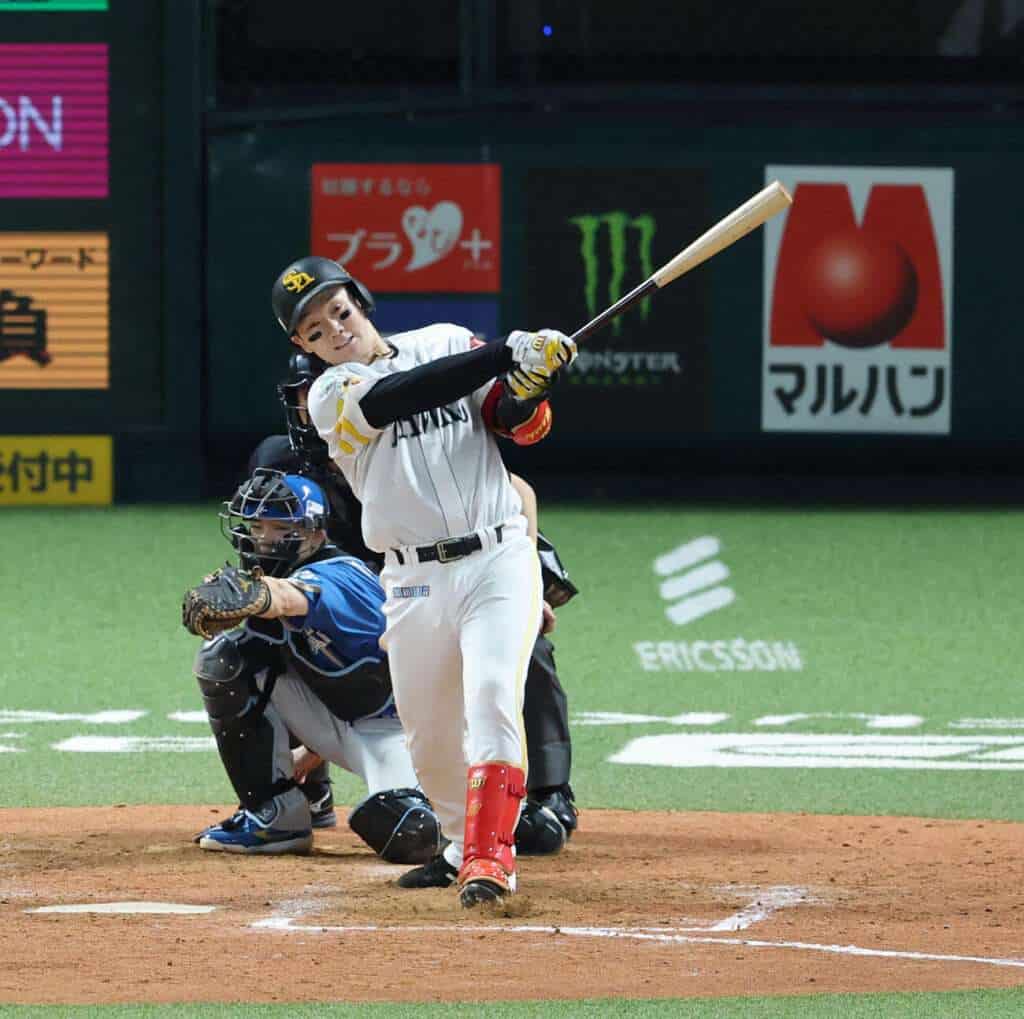
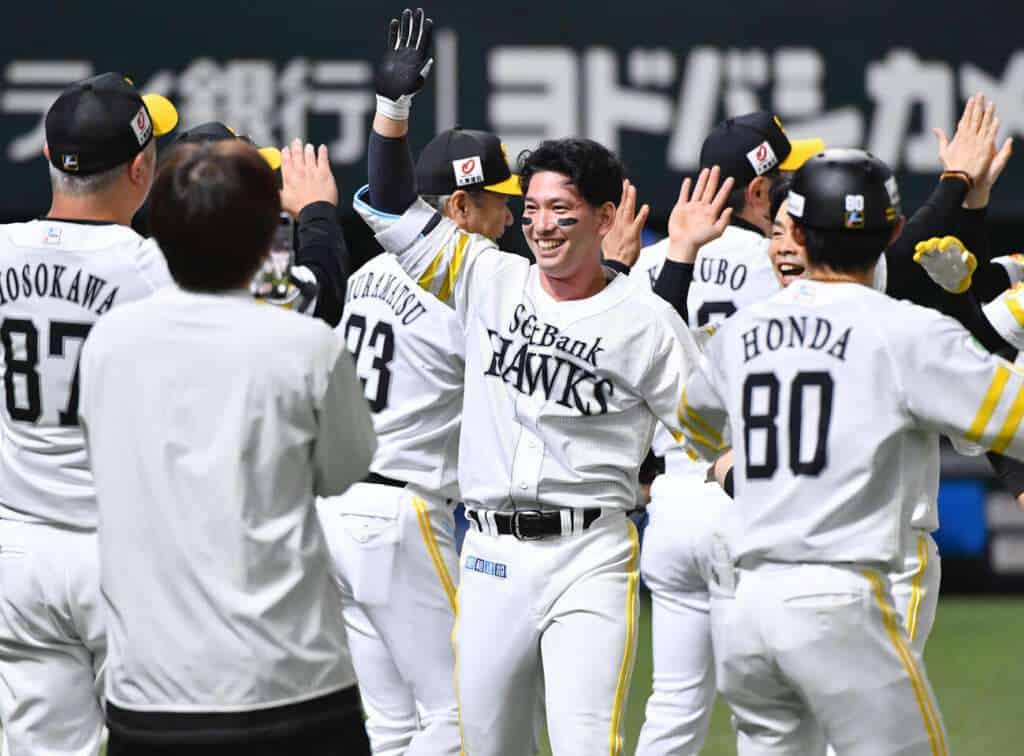
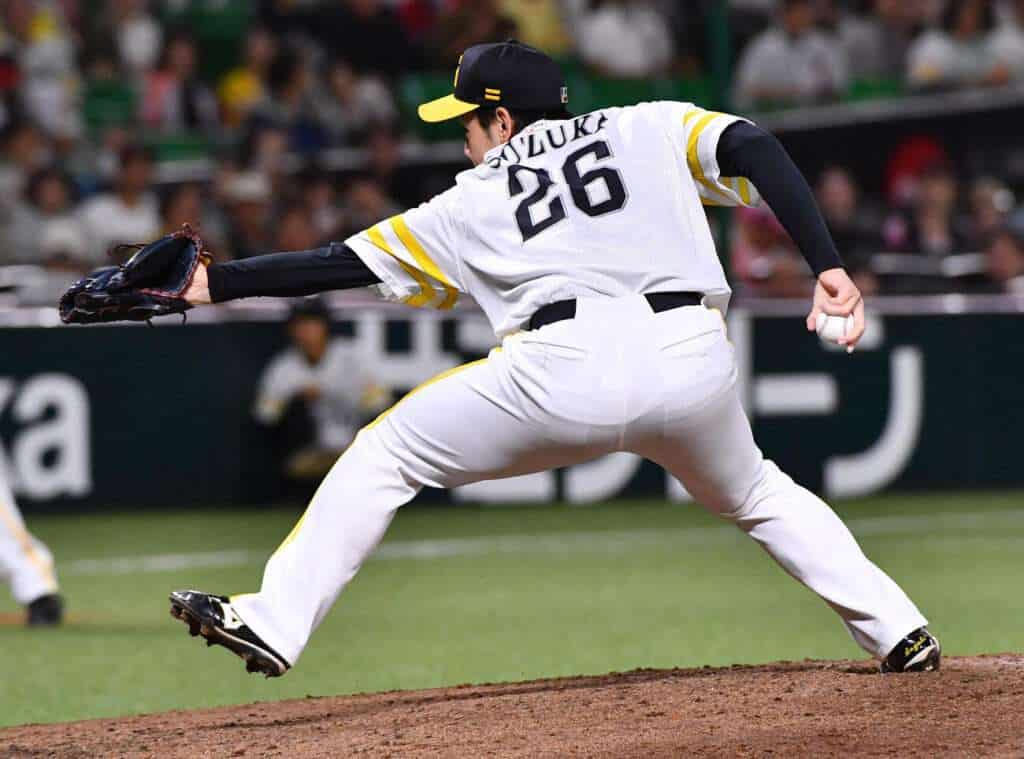
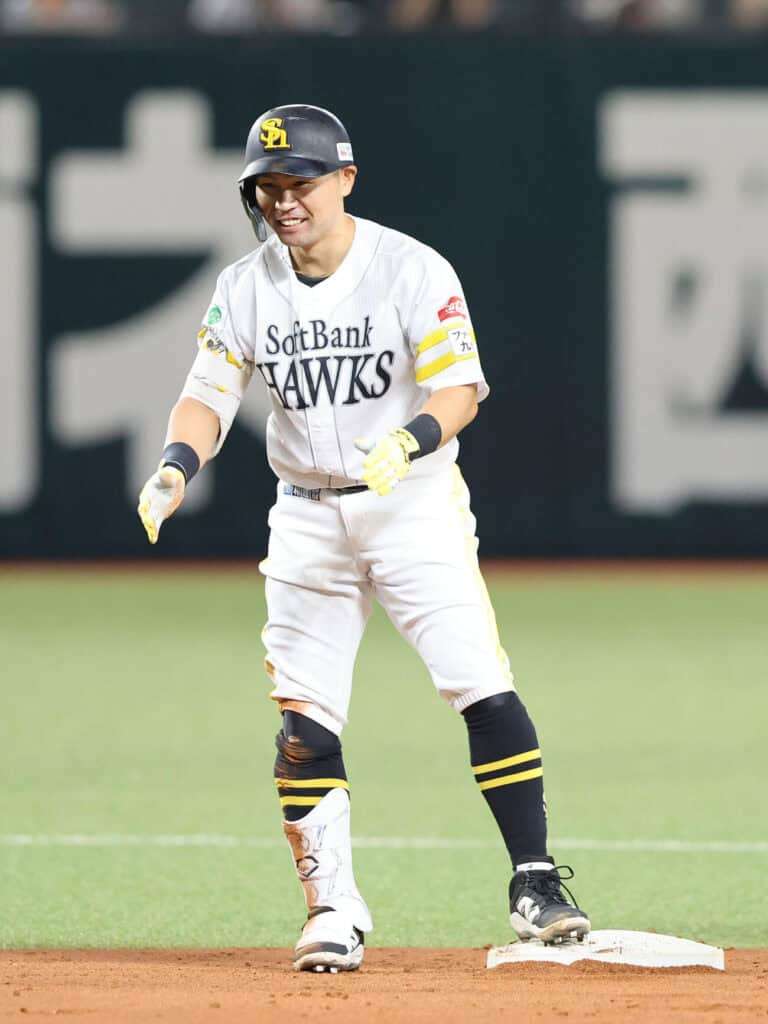
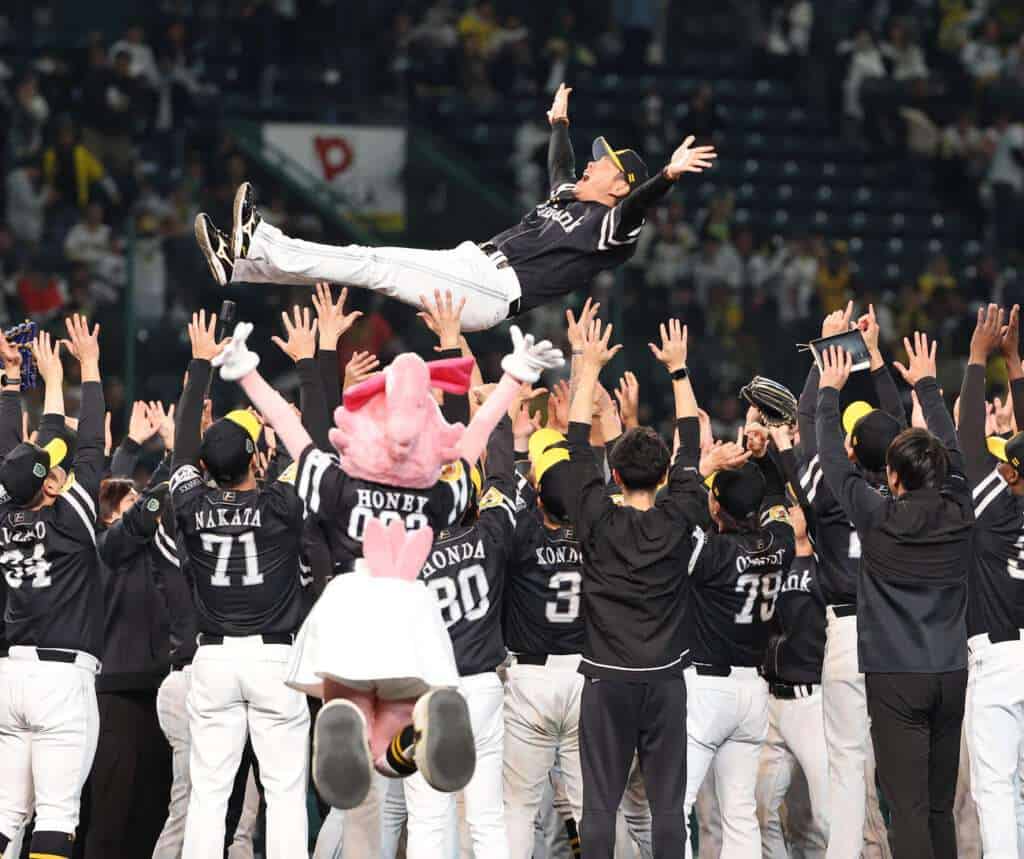
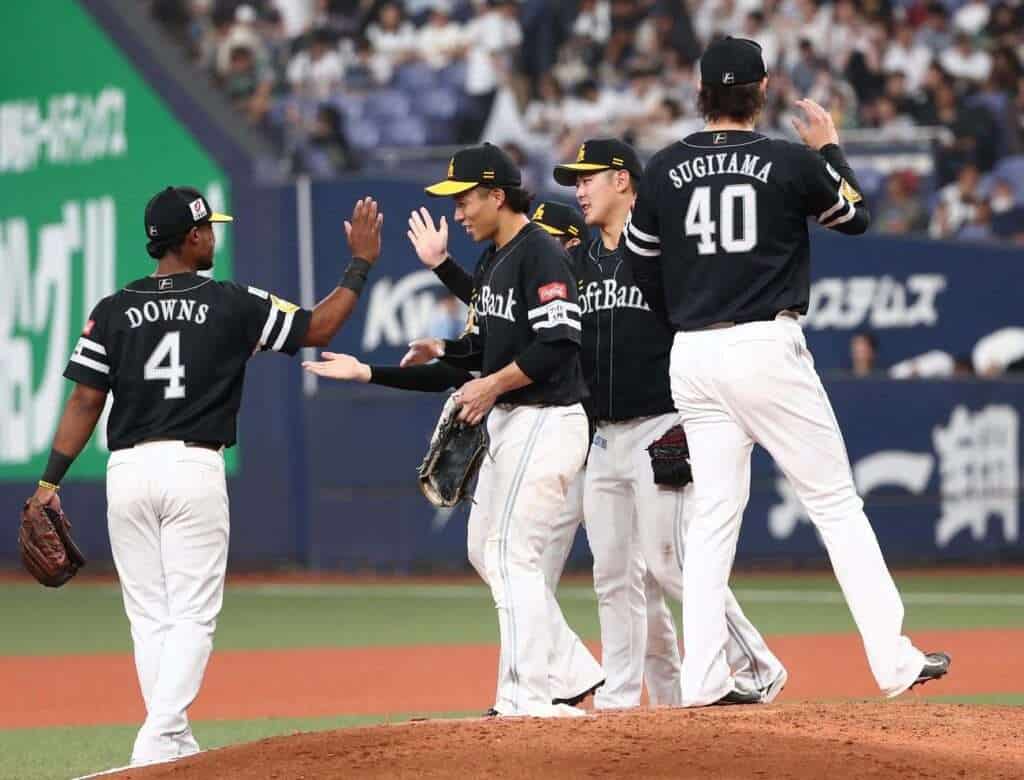
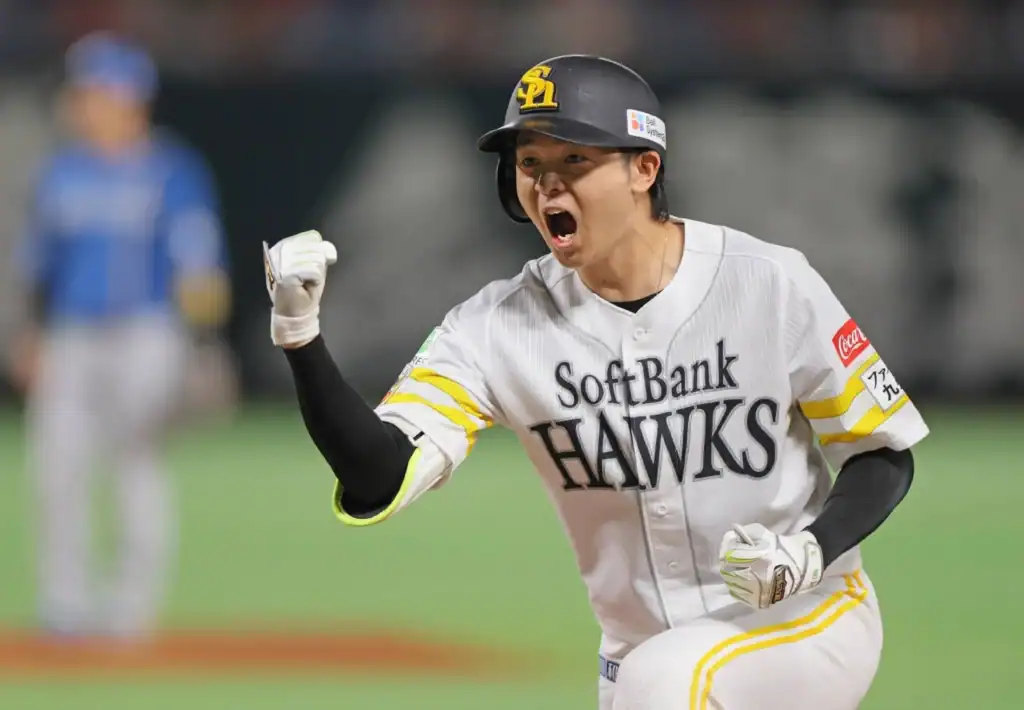
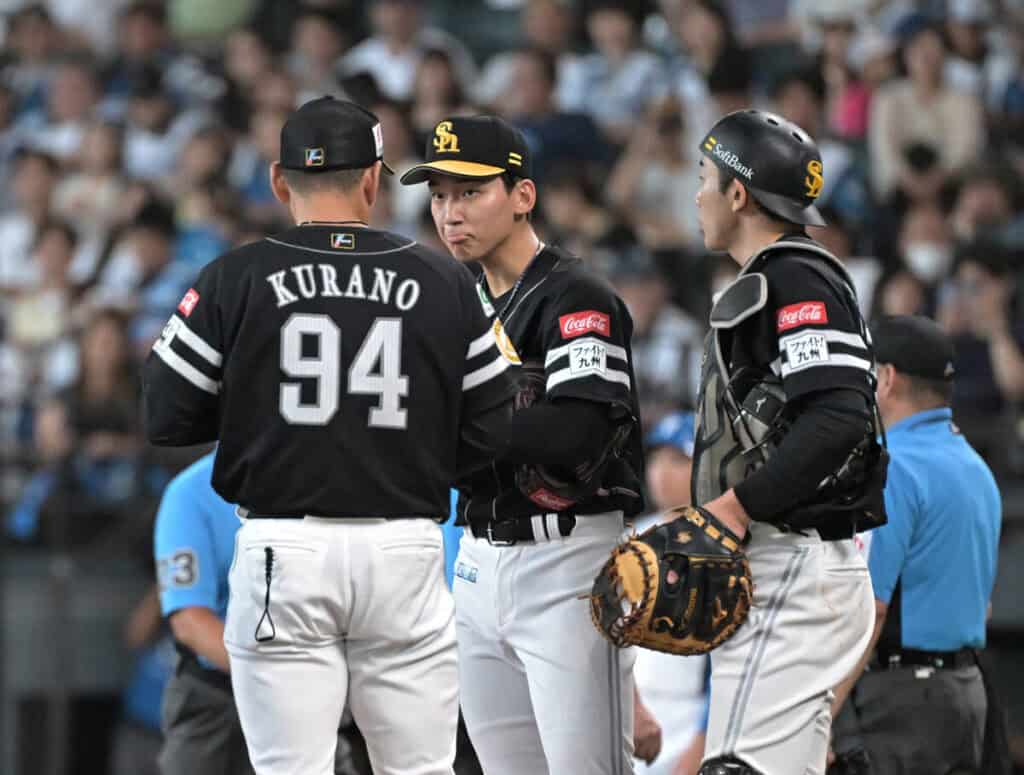
The Fukuoka SoftBank Hawks are one of the most successful franchises in Nippon Professional Baseball and the dominant Japanese club of much of the 2010s. Competing in the Pacific League, the franchise has won 21 Pacific League championships, two additional titles from Japan's pre-1950 one-league era and 12 Japan Series championships. The organization dates back to 1938 and spent much of its early history as the Nankai Hawks. After relocating from Osaka to Fukuoka, the team competed as the Fukuoka Daiei Hawks from 1989 through 2004. SoftBank acquired the franchise ahead of the 2005 season, creating the Fukuoka SoftBank Hawks. Each era has produced significant teams, but the modern Hawks have established a particularly demanding standard. Deep pitching staffs, aggressive roster construction and one of NPB's most extensive development systems have allowed SoftBank to replace star players without requiring lengthy rebuilding cycles. That continuity has turned the Hawks into one of the defining organizations of modern Japanese baseball. From the Nankai Hawks to a Championship Power The franchise was already successful long before its move to Fukuoka. Under the Nankai Hawks identity, the club became one of the strongest teams of the early Pacific League. Nankai won consecutive league championships in 1951, 1952 and 1953 and captured the franchise's first Japan Series championship in 1959. Another Japanese title followed in 1964. One of the central figures of that era was Katsuya Nomura, who developed into one of the greatest catchers and power hitters in Japanese baseball history. Nomura became both the offensive centerpiece and later the manager of the Hawks, representing an era in which Nankai regularly challenged for Pacific League supremacy. The franchise's fortunes changed considerably during the following decades. After relocating to Fukuoka in 1989, the Daiei Hawks initially struggled to become a consistent contender. That changed around the turn of the century. The 1999 Hawks won the Pacific League and defeated Chunichi in the Japan Series, giving the franchise its first Japanese championship in 35 years. Another followed in 2003, when a powerful Daiei team featuring players such as Nobuhiko Matsunaka, Tadahito Iguchi, Hiroki Kokubo and Kenji Johjima defeated Hanshin in seven games. Those teams established many of the foundations that would later define SoftBank baseball: internally developed stars surrounded by enough organizational depth to sustain contention. After SoftBank took control, the championship rate accelerated dramatically. The Hawks won the 2011 Japan Series, then entered one of the greatest sustained runs in modern NPB. Between 2014 and 2020, SoftBank won six Japan Series championships in seven seasons — 2014, 2015, 2017, 2018, 2019 and 2020. Remarkably, not all of those championships followed Pacific League pennants. The 2018 and 2019 Hawks finished second during the regular season but advanced through the Climax Series and then won the Japan Series, demonstrating how formidable the roster became in postseason baseball. Development, Depth and the SoftBank Hawks Identity The defining strength of the SoftBank Hawks is not simply their ability to sign established players. It is the depth of the organization beneath the first-team roster. SoftBank operates an unusually extensive farm structure that reaches through second-, third- and fourth-team levels. That system creates far more competitive innings and plate appearances for developing players than a conventional two-team organization and gives the Hawks numerous opportunities to identify late-developing talent. NPB has described the club's development setup as one of the most extensive in Japanese baseball. Perhaps the clearest example is Kodai Senga. Senga entered the organization as a developmental draft selection rather than a conventional roster player and progressed through the farm system to become the ace of the Hawks. He developed into one of NPB's leading power pitchers, played a major role in multiple championship teams and eventually moved to Major League Baseball. The developmental system has produced other significant contributors as well. Taisei Makihara became an everyday-caliber player after beginning on a developmental contract, while Ukyo Shuto developed into one of the fastest players in NPB. In 2025, Makihara became the first player from the developmental system to win a Pacific League batting title, while Shuto captured his fourth stolen-base championship. The first-team star lineage is equally impressive. Yuki Yanagita became the defining position player of the SoftBank dynasty, combining elite power, on-base ability and athleticism in the middle of the lineup. Pitchers such as Tsuyoshi Wada, Tadashi Settsu, Rick van den Hurk and Senga gave the championship teams high-end rotation quality, while players including Seiichi Uchikawa, Nobuhiro Matsuda and Alfredo Despaigne provided experienced offensive production. More recent Hawks teams have continued that combination of internal development and aggressive acquisitions. Kensuke Kondo, Hotaka Yamakawa and Liván Moinelo have become central figures alongside developed players such as Shuto, Makihara and Tatsuuru Yanagimachi. The formula is expensive, but it is not simply a collection of free agents. SoftBank's advantage comes from being able to combine high-level acquisitions with a farm system capable of continually generating useful major-league players. The Modern Hawks and a Return to the Top After the 2020 championship, SoftBank went through a relatively short transition rather than a conventional rebuild. The Hawks remained competitive but did not win another Pacific League pennant until 2024, when they finished 91-49-3 and returned to the top of the standings. They repeated as league champions in 2025, securing the 23rd league title in franchise history when the two pre-Pacific League championships are included. The 2025 season then produced another major milestone. Managed by former Hawks star Hiroki Kokubo, SoftBank defeated Hanshin four games to one in the Japan Series to capture the franchise's 12th Japanese championship and first since 2020. Hotaka Yamakawa was named Japan Series MVP, while Moinelo had already earned Pacific League MVP honors after an outstanding regular season. The roster's depth was particularly evident that year. Eight Hawks players won individual Pacific League statistical titles, an NPB record for a single club. That success has carried into 2026. With Kokubo remaining as manager, SoftBank stood first in the Pacific League at 81-45-3 through September 14, again putting the club in position to challenge for another pennant. For followers of NPB, the Pacific League and Japanese baseball, the Fukuoka SoftBank Hawks are therefore best understood as both a historic franchise and a modern baseball machine. The Nankai era produced some of the Pacific League's earliest great teams. The Daiei years restored the franchise to championship level. The SoftBank era transformed sustained contention into a dynasty. With 12 Japan Series championships, 21 Pacific League titles, two earlier league championships and one of Japan's deepest player-development systems, the Hawks have built an organizational model designed not merely to produce one championship roster, but to replace it with another.