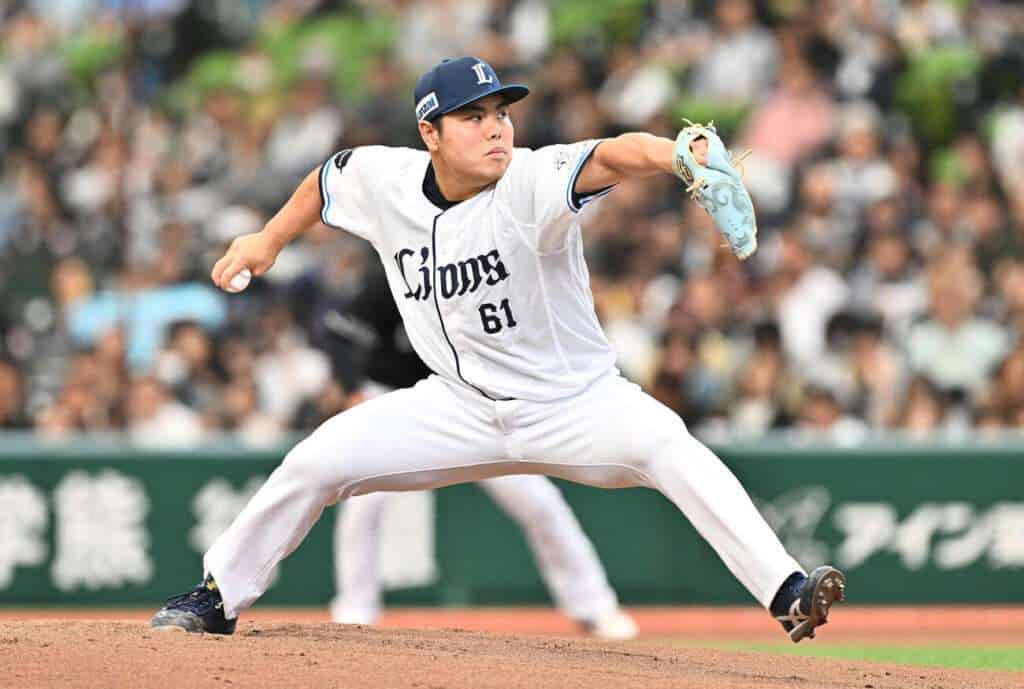
Saitama Seibu Lions
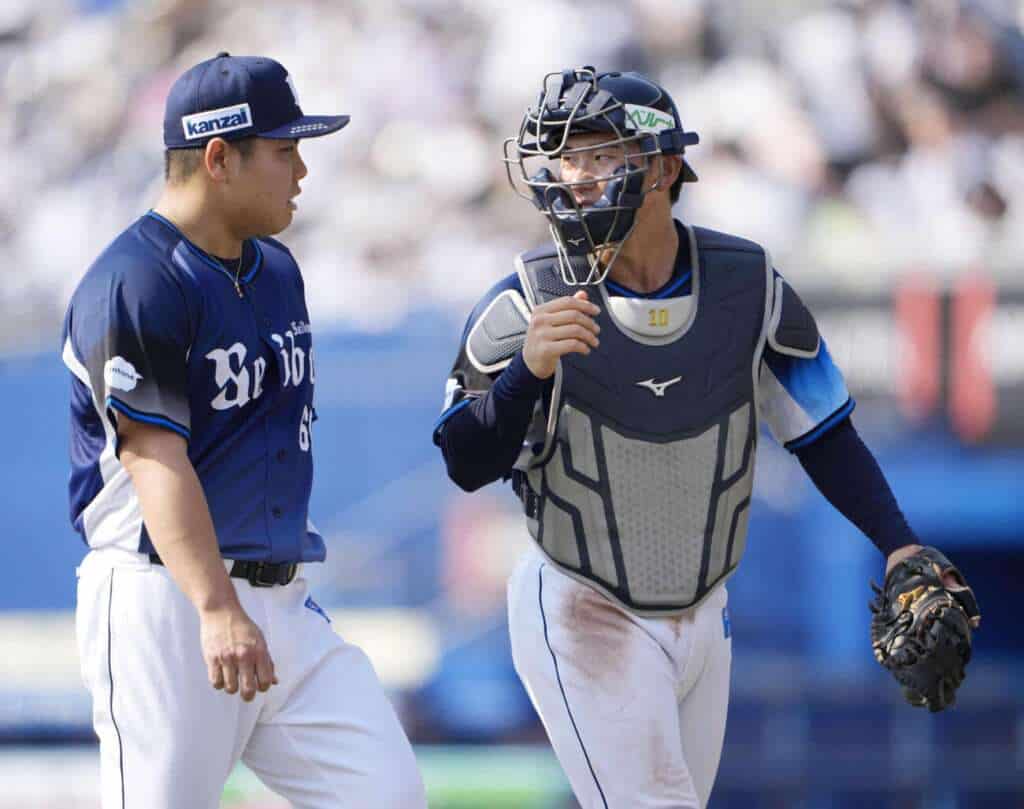
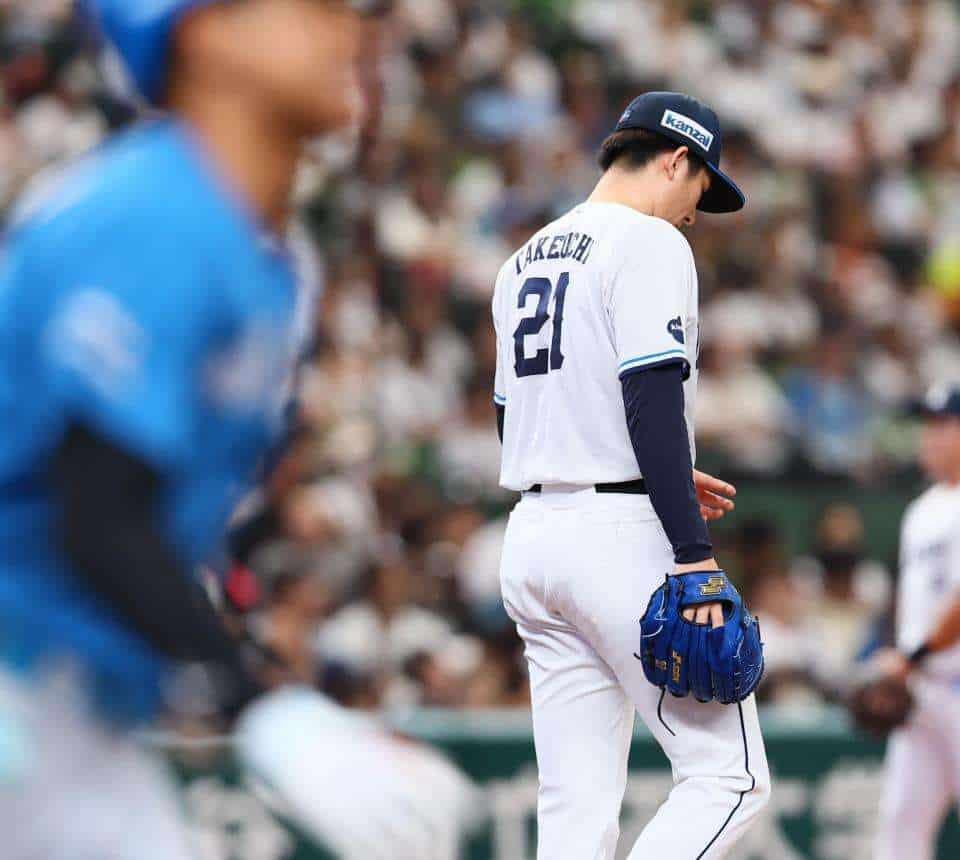
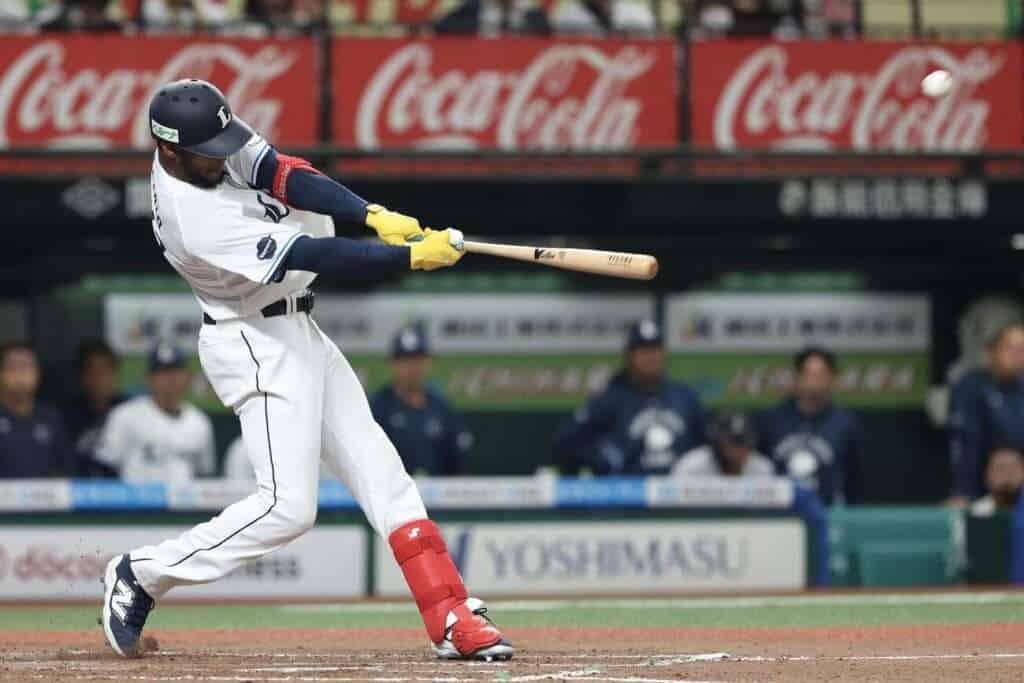
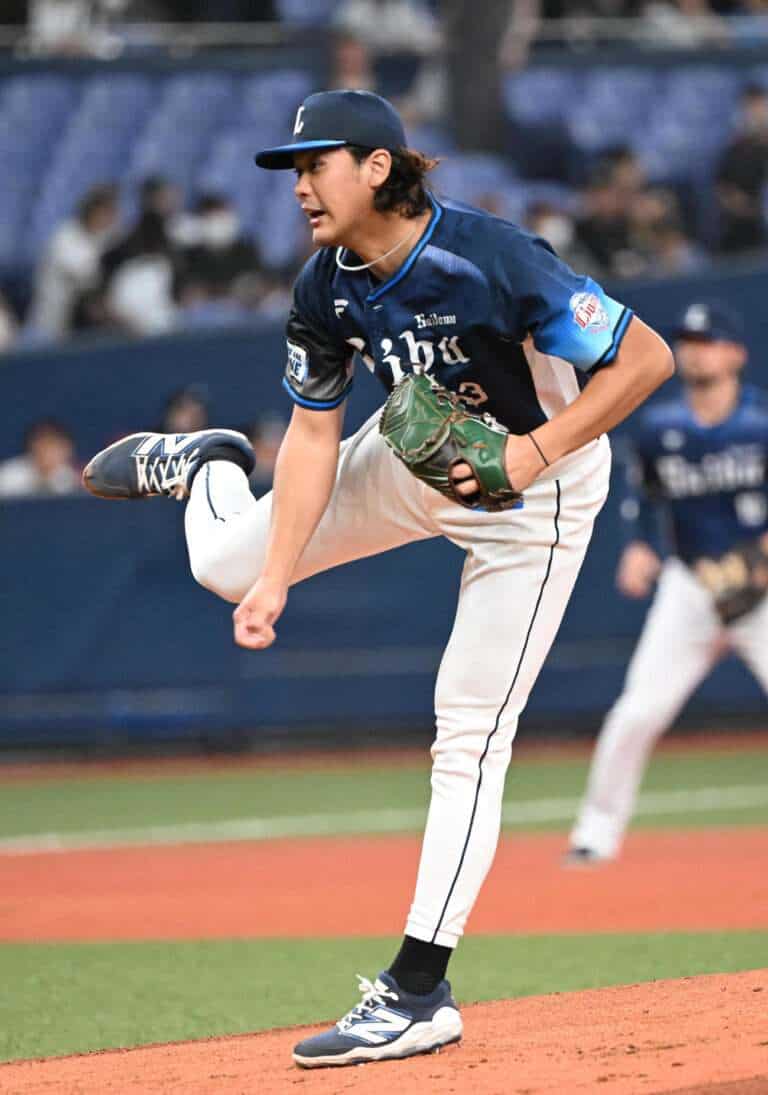
The Saitama Seibu Lions are one of the most successful franchises in Nippon Professional Baseball, with a history that spans from the great Nishitetsu teams of the 1950s to the dominant Seibu dynasty of the 1980s and 1990s. Competing in the Pacific League, the Lions have won a record 23 league championships and 13 Japan Series titles. The franchise entered the Pacific League in 1950 as the Nishitetsu Clippers, becoming the Nishitetsu Lions one year later. After later competing as the Taiheiyo Club Lions and Crown Lighter Lions, the franchise was acquired by Seibu and became the Seibu Lions in 1979. The current Saitama Seibu Lions name was introduced in 2008. Across those different eras, the Lions have developed a reputation for producing elite pitchers, athletic position players and championship teams with considerable depth. Few NPB organizations can match the number of genuinely dominant generations that have appeared under the Lions name. From Nishitetsu to the Seibu Dynasty The first golden era came during the Nishitetsu Lions years. Led by manager Osamu Mihara, Nishitetsu won three consecutive Japan Series championships from 1956 through 1958. The roster included several major figures in early Japanese professional baseball, but pitcher Kazuhisa Inao became the defining star. Inao joined the Lions in 1956 and immediately posted a 1.06 ERA as a rookie. He developed into one of the most heavily used and dominant pitchers in NPB history, recording 276 career victories and a 1.98 lifetime ERA. His 1958 Japan Series became legendary: Inao appeared in six games and earned four victories as Nishitetsu recovered from a three-games-to-none deficit to win the championship. The franchise's most sustained dominance, however, arrived after Seibu took control. The first Seibu championship came in 1982, followed immediately by another Japan Series title in 1983. Under manager Tatsuro Hirooka, the Lions developed a highly structured approach built around defined pitching roles, defense and disciplined execution. The foundations created during that period became the basis for an even greater dynasty. From 1986 through 1994, manager Masaaki Mori oversaw one of the strongest periods any NPB franchise has produced. In nine seasons, Seibu won eight Pacific League championships and six Japan Series titles. The Lions captured five consecutive pennants from 1990 through 1994 and won the Japan Series in 1986, 1987, 1988, 1990, 1991 and 1992. That roster was extraordinarily deep. Kazuhiro Kiyohara, Koji Akiyama, Orestes Destrade, Hiromichi Ishige, Hatsuhiko Tsuji and Tsutomu Ito formed the core of the position-player group, while pitchers including Kimiyasu Kudo, Hisanobu Watanabe, Taigen Kaku and Tetsuya Shiozaki gave Seibu both rotation quality and bullpen depth. The combination made the Lions the defining Pacific League team of the era. Championships Beyond the Golden Era The end of the dynasty did not end the franchise's ability to build championship teams. A new generation emerged around players such as Kazuo Matsui and Daisuke Matsuzaka. Matsui developed into one of NPB's premier shortstops, combining power with elite speed and reaching 62 stolen bases in 1997. Matsuzaka, meanwhile, became the ace of the Lions rotation after joining directly from high school and eventually developed into one of Japan's most internationally recognized pitchers. The Lions returned to the top in 2004. Despite finishing second during the regular season, Seibu won the Pacific League playoff and then defeated Chunichi in a seven-game Japan Series. Matsuzaka led the rotation, while Kazuhiro Wada, Hiroyuki Nakajima and closer Kiyoshi Toyoda were among the important contributors. Another championship followed in 2008. That team represented a more explosive version of Lions baseball. Takeya Nakamura led a power-heavy lineup that helped Seibu hit 198 home runs, while Yasuyuki Kataoka spearheaded an aggressive running game. The pitching staff included Takayuki Kishi, Hideaki Wakui and Kazuhisa Ishii. Seibu defeated Yomiuri in seven games in the Japan Series before also winning the Asia Series. The Lions later returned to the top of the Pacific League in 2018 and 2019. Those clubs were built around one of NPB's most powerful offenses and won consecutive league championships, although neither team advanced to the Japan Series. Those pennants reinforced an important point about the franchise: Seibu's championship history is not limited to one golden generation. The Lions have repeatedly developed another competitive core after the previous one breaks apart. Player Development and the Lions Identity Player development has become one of the defining characteristics of the Saitama Seibu Lions. The franchise has produced an exceptional list of players through the NPB draft and its development system. Daisuke Matsuzaka, Kazuo Matsui, Hiroyuki Nakajima, Takeya Nakamura, Yusei Kikuchi and Hideto Asamura all developed into major stars with the Lions, while more recent generations have included players such as Sosuke Genda, Kona Takahashi and Tatsuya Imai. That development record has been particularly important because successful Lions teams have frequently lost elite talent. Players have moved to MLB, reached domestic free agency or continued their careers elsewhere in NPB, forcing Seibu to continually replace significant production. The ability to develop the next group has therefore become essential to the organization's roster model. The modern Lions entered another rebuilding period after their 2018 and 2019 Pacific League championships. Former ace Fumiya Nishiguchi became first-team manager in 2025 and remains in charge in 2026, overseeing a roster in which younger players are again being asked to establish themselves alongside experienced members of the club. That cycle is familiar in Lions history. The franchise has repeatedly moved from championship teams into periods of transition before another developed core emerges. For followers of NPB, the Pacific League and Japanese baseball, the Saitama Seibu Lions remain one of the sport's essential historic organizations. Their 23 Pacific League championships and 13 Japan Series titles place them among the most successful franchises in Japan, while the Nishitetsu teams of the 1950s and Seibu dynasty of the 1980s and early 1990s rank among the greatest teams the league has produced. The championship generations have looked different, but the pattern has remained remarkably consistent: develop elite talent, build depth around it and create another Lions team capable of competing for the Pacific League title.