Yokohama DeNA BayStars
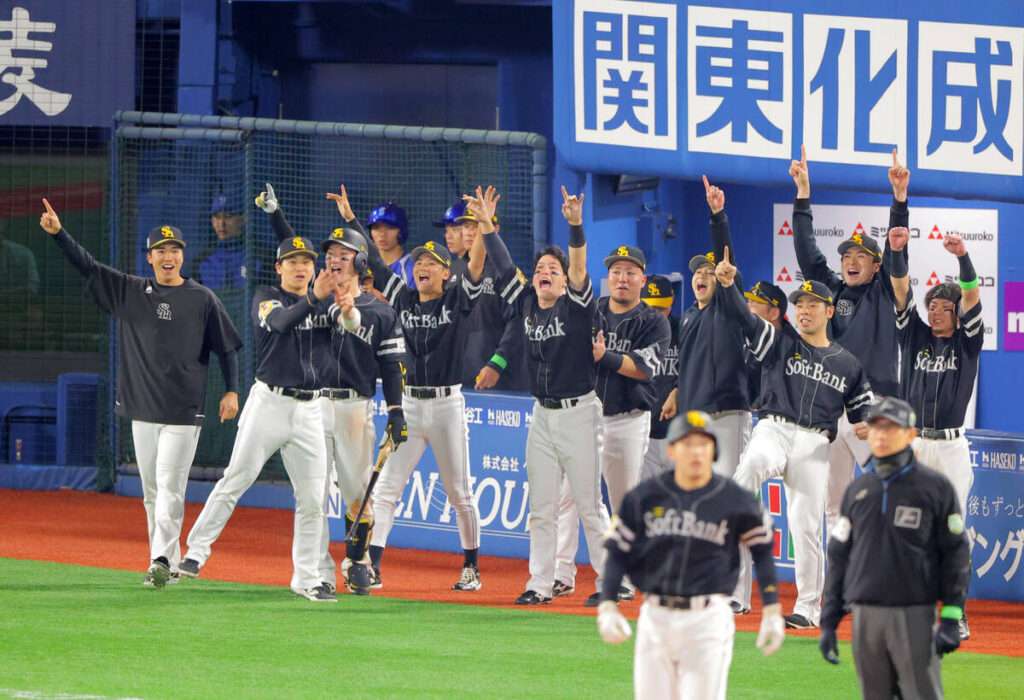
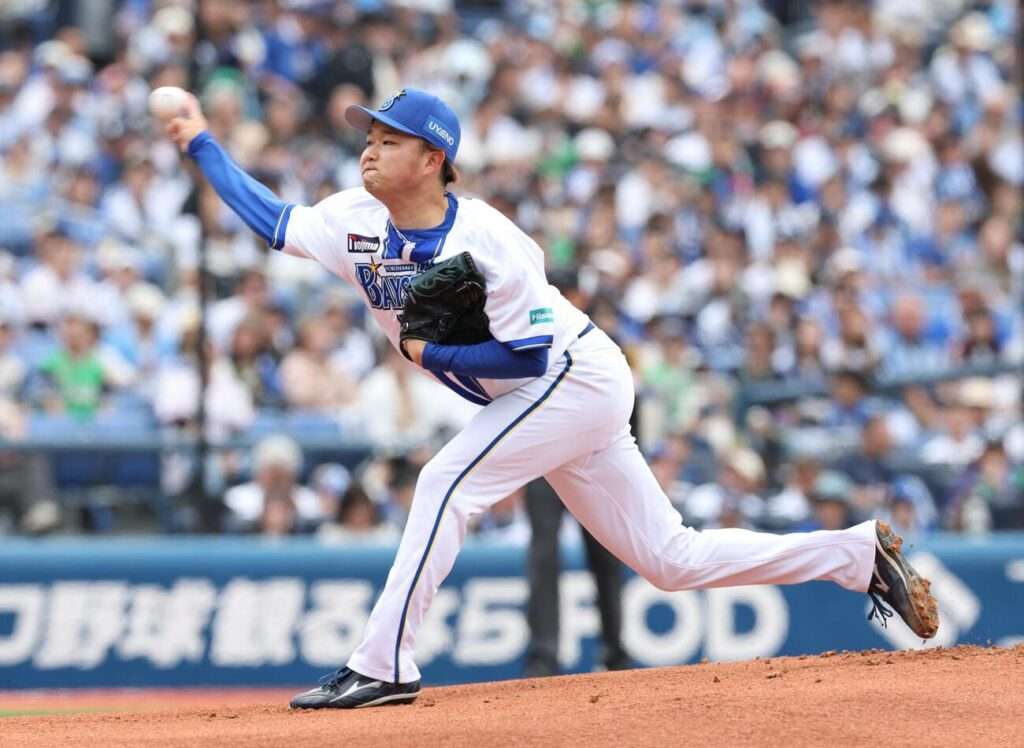
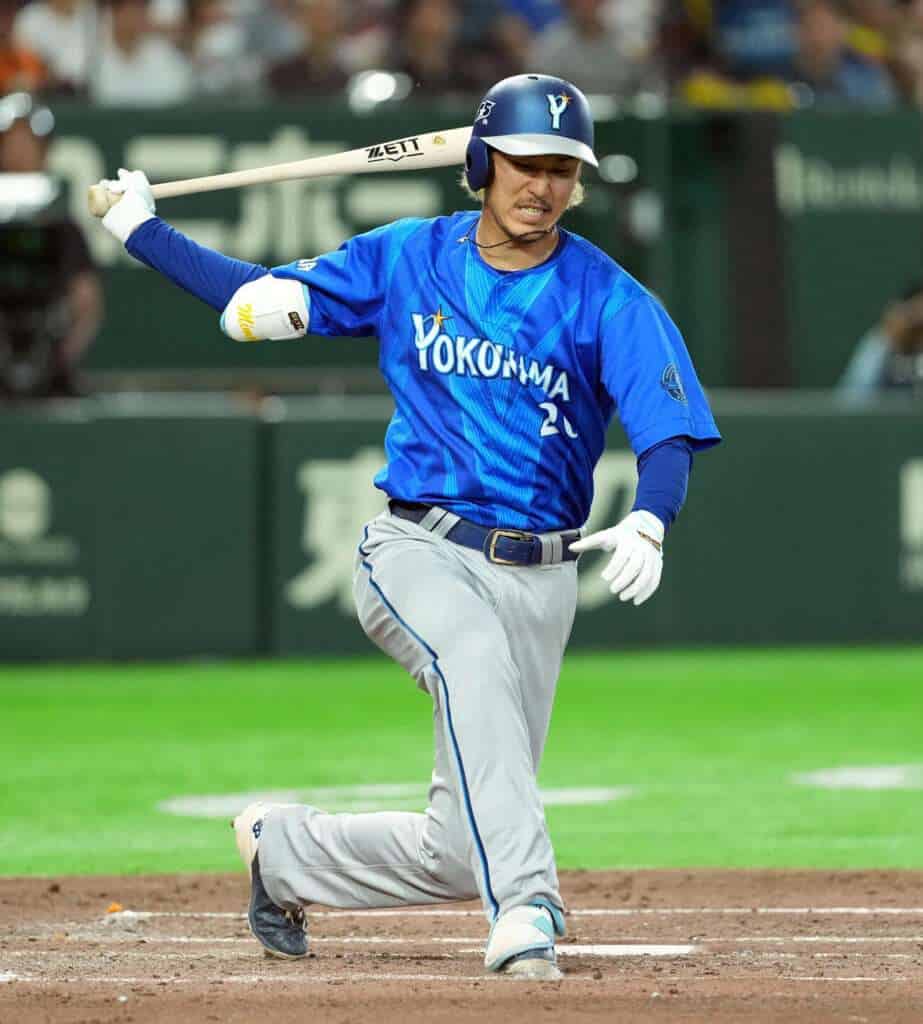
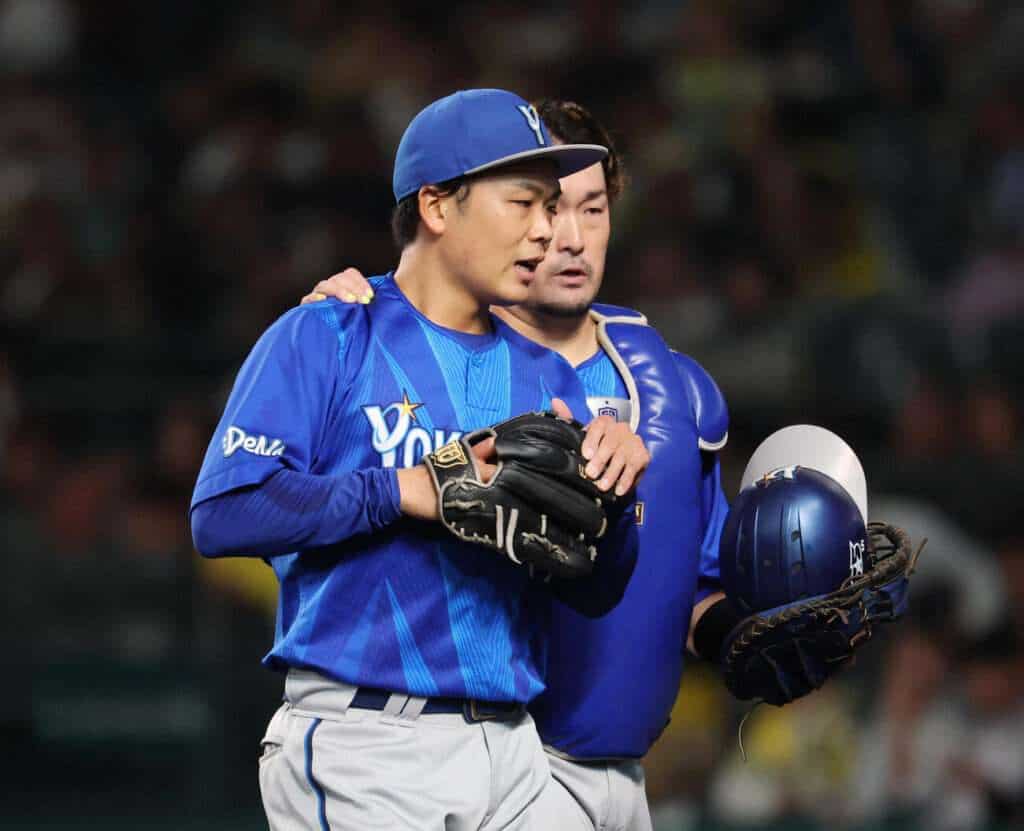
The Yokohama DeNA BayStars are a historic Central League franchise with one of the more unusual championship records in Nippon Professional Baseball. The organization has won only two Central League pennants, in 1960 and 1998, yet has captured the Japan Series three times, adding a third national championship in 2024 after qualifying for the postseason from third place. The franchise entered the Central League in 1950 as the Taiyo Whales. After several name changes and a merger during its early years, the organization moved to Yokohama in 1978 and became the Yokohama Taiyo Whales. The BayStars identity was introduced in 1993, while DeNA took control of the franchise ahead of the 2012 season, creating the modern Yokohama DeNA BayStars. That history contains long stretches without championships, but the BayStars have repeatedly produced memorable teams capable of peaking at the right moment. Their three Japan Series championships came in 1960, 1998 and 2024, each representing a distinctly different era of Yokohama baseball. Three Japan Series Championships The franchise's first major breakthrough came in 1960. After winning its first Central League championship, the Taiyo Whales swept the Japan Series to secure the first national title in club history. Nearly four decades passed before Yokohama returned to the top. The 1998 BayStars became one of the most recognizable offensive teams in modern Japanese baseball. Their lineup was nicknamed the “Machine Gun” batting order because of its ability to string together hits and maintain constant pressure rather than relying exclusively on home-run power. Takuro Ishii hit .314 with 174 hits and 39 stolen bases, while Robert Rose batted .325 with 96 RBI. Takanori Suzuki was another central part of the lineup, and catcher Motonobu Tanishige gave the club production from a premium defensive position. The pitching staff provided enough balance to support that offense. Takashi Saito and Daisuke Miura were important rotation pieces, while closer Kazuhiro Sasaki, known as “Daimajin,” gave Yokohama one of the most intimidating late-inning weapons in Japanese baseball. The BayStars finished 79-56-1, won their first Central League pennant in 38 years and defeated Seibu in six games in the Japan Series. Another 26 years passed before the franchise became Japanese champion again. In 2024, Yokohama finished third in the Central League at 71-69-3 but advanced through the Climax Series and reached the Japan Series. After losing the first two games of the championship series, the BayStars won four straight against Fukuoka SoftBank, finishing the series with an 11-2 victory in Game 6. Masayuki Kuwahara was named Japan Series MVP, while Yoshitomo Tsutsugo, Anthony Jackson and Anthony Kay received Outstanding Player honors. Captain Shugo Maki was another important part of a lineup that found its best form during the postseason. The championship was Yokohama's third and its first since 1998. Offense, Development and the BayStars Identity The BayStars have often been associated with offense more strongly than many other Central League organizations. The 1998 Machine Gun lineup established that reputation, but later generations continued to produce high-level hitters. Seiichi Uchikawa, Shuichi Murata, Yoshitomo Tsutsugo, Toshiro Miyazaki and Shugo Maki are among the prominent position players who developed or established themselves with the organization. Tsutsugo became the centerpiece of the lineup during the 2010s, developing into one of Japan's leading power hitters before moving to Major League Baseball. His eventual return to Yokohama added another veteran presence to the team that captured the 2024 championship. Maki quickly became another central figure after joining the organization. A productive middle-infielder with power and strong bat-to-ball skills, he developed into the captain and offensive leader of the modern BayStars. In 2026, Maki continued to lead the club in batting average, home runs, RBI and on-base percentage. Pitching development has also become increasingly important to the modern franchise. Left-hander Katsuki Azuma has developed into a frontline starter and remained the leading pitcher on the 2026 staff, while the organization has supplemented its domestic arms with international starters and relievers. Through mid-September 2026, Azuma led the BayStars in ERA, victories and strikeouts. The farm system has received increasing emphasis as well. In 2024, Yokohama's farm team won the Eastern League for the first time in 42 years and then captured its first Farm Japan Championship, giving the organization success at both developmental and first-team level during the same season. That combination of internal development and selective outside additions has become central to modern BayStars roster construction. The Modern Yokohama DeNA BayStars DeNA's arrival in 2012 marked a significant change in the direction of the franchise. The early years were still defined by rebuilding, but the competitive trajectory gradually improved. Yokohama reached the Climax Series in 2016 and advanced to the Japan Series in 2017 after entering the postseason as the Central League's third-place team. That 2017 run foreshadowed the path taken seven years later. The 2024 BayStars again demonstrated how dangerous the franchise can become in a short postseason series. Yokohama did not win the Central League pennant, but strong starting pitching, improved run prevention and a lineup capable of producing big innings allowed the team to eliminate higher-seeded opponents and ultimately win the Japan Series. The organization entered a new managerial era in 2026, with former BayStars catcher Ryoji Aikawa taking over as first-team manager. His staff includes several former Yokohama players, continuing the franchise's tendency to keep former players involved in development and coaching roles. For followers of NPB, the Central League and Japanese baseball, the Yokohama DeNA BayStars are therefore a franchise defined less by sustained dynasties than by dramatic peaks. Only two Central League championships have been won in franchise history, yet all three trips that began with those championship-caliber generations ultimately produced memorable national success. The 1960 Whales established the franchise, the 1998 Machine Gun lineup created one of Yokohama's most celebrated teams, and the 2024 BayStars demonstrated that a club does not need to win the pennant to become the last team standing. That unpredictability has become part of the appeal of BayStars baseball: an organization capable of developing dangerous offensive talent and turning the right roster into a championship team when October arrives.