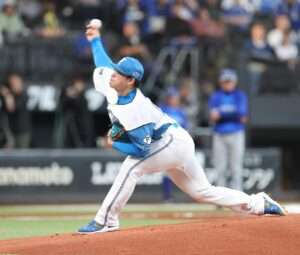
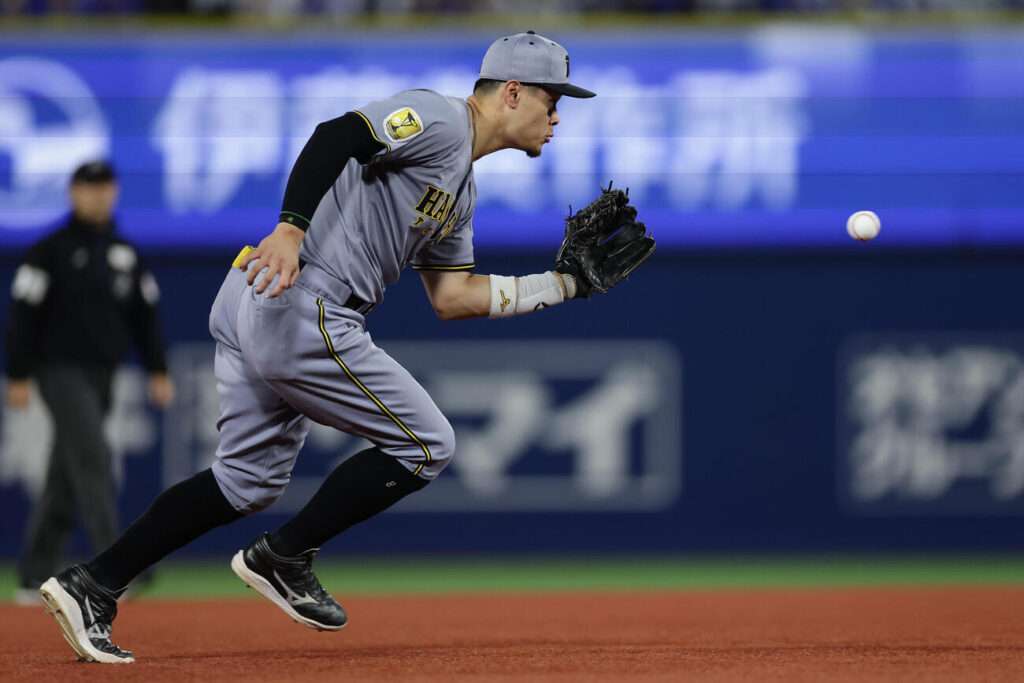
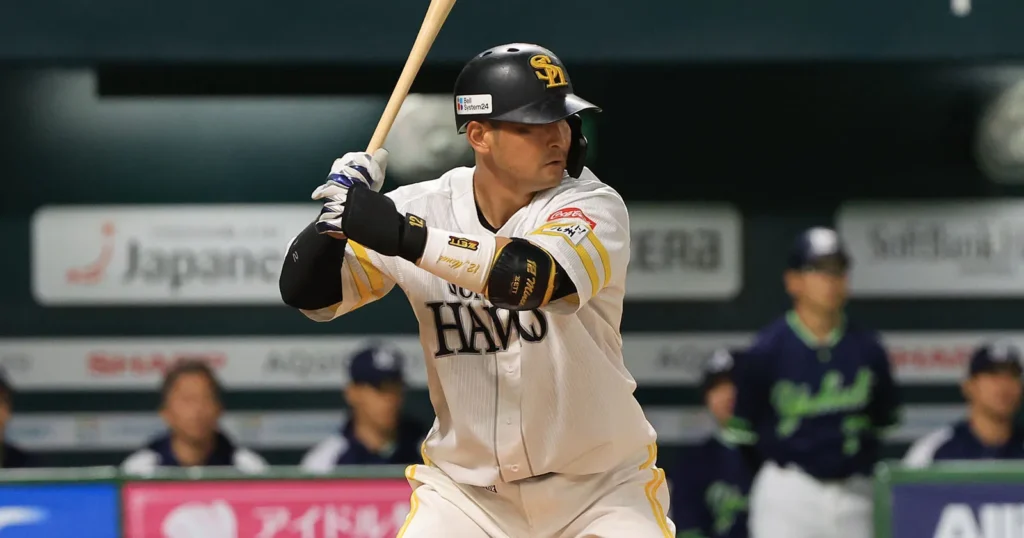
Three Former Hiroshima Carp Players Demand Answers and Apology
Masaya Yano, Seita Maekawa and Shunsuke Tamura demanded that the Hiroshima Carp explain their contract decisions, retract disputed language and apologize.
 World Baseball News Editorial Team , 2 min read
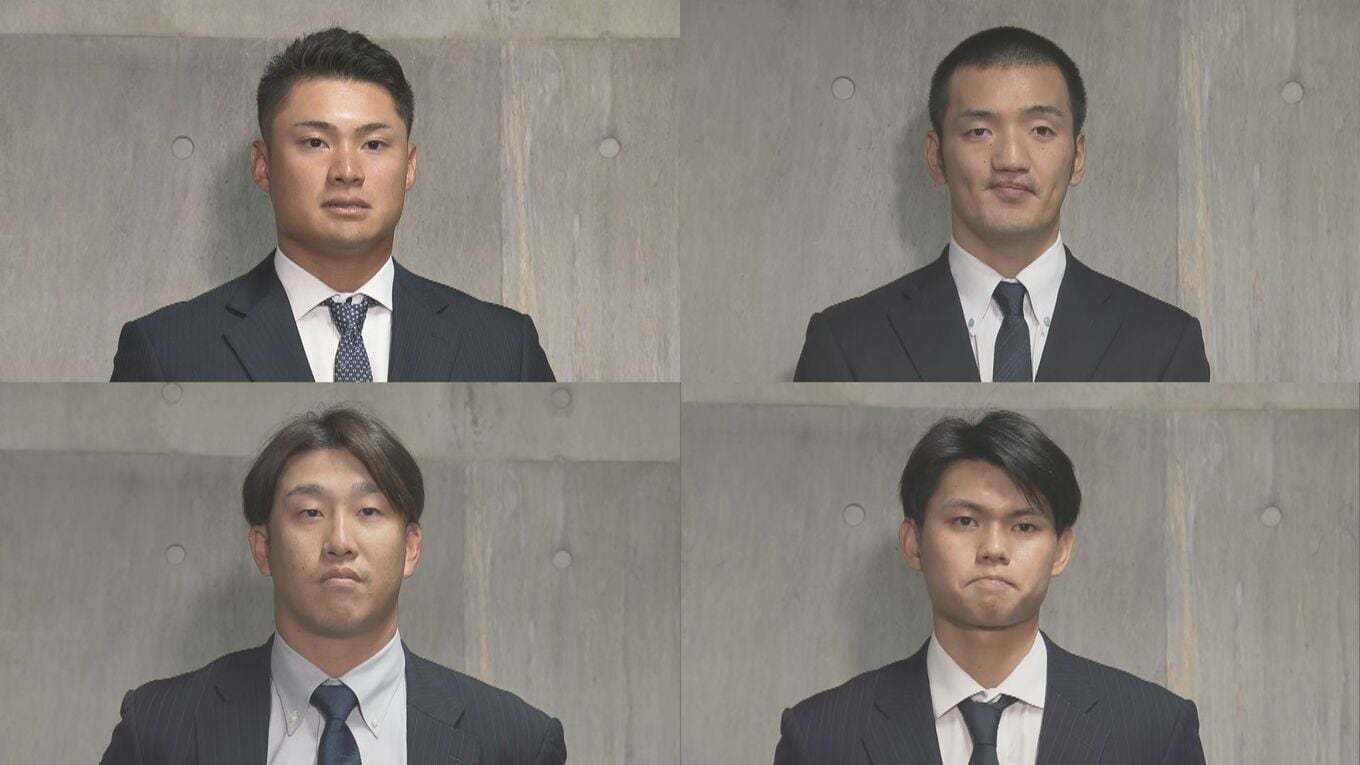
Three former Hiroshima Toyo Carp players have formally demanded that the club explain why it declined to renew their contracts, retract its public statement about a breakdown in trust and publish an apology. Lawyers representing Masaya Yano, Seita Maekawa and Shunsuke Tamura disclosed the request on Monday, November 16, as the fallout from the club’s etomidate investigation moved into a potential legal dispute.
The demand letter, dated November 12, asks Hiroshima to provide the reasons for the non-renewals in writing within seven days of receiving it. The players also want the club to post an apology on its website by November 30, when their contracts expire.
What Yano, Maekawa and Tamura are asking from Hiroshima
- A written explanation: The players want the club’s actual reasons for not renewing their contracts, rather than what they describe as a formal or general explanation.
- A retraction: They object to the club’s statement that rebuilding a relationship of trust would be difficult.
- A public apology: Their request calls for an apology to appear on Hiroshima’s official website by November 30.
- Restoration of their reputations: The players argue that the club’s wording created a damaging public impression about their character.
Hiroshima announced on October 1 that it would not offer 2027 contracts to Yano, Maekawa, Tamura and Kaito Kozono. The current demand was submitted by Yano, Maekawa and Tamura; Kozono is not named as part of this action.
The club previously said it had not confirmed that the four players used etomidate, a designated drug in Japan that has been described in local reporting as “zombie tobacco.” Hiroshima nevertheless said it had determined that maintaining a relationship of trust would be difficult.
Two players were not indicted after prosecutors reviewed the case
Yano and Maekawa were referred to prosecutors in September on suspicion of violating Japan’s Pharmaceuticals and Medical Devices Act in connection with etomidate. On October 16, the Hiroshima District Public Prosecutors Office declined to indict either player, saying there was insufficient evidence to establish the referred allegations.
Tamura was not one of the two players referred to prosecutors. Local reporting had previously connected him to the wider controversy through a photograph showing him with a man who was later convicted in an etomidate case involving former Carp player Ryutaro Hatsuki.
The three players now argue that they were removed for reasons unrelated to baseball despite the absence of criminal penalties against them. Their letter cites Japan’s Freelance Act in requesting a more specific explanation for the club’s decision.
Legal action remains possible
The players’ lawyer said further steps are being considered if Hiroshima does not provide a satisfactory response. Those options could include asking Japan’s labor authorities to intervene under the Freelance Act and pursuing a claim tied to reputational damage.
Hiroshima had not publicly responded to the new demand when it was disclosed. The dispute therefore remains centered on the club’s explanation for the non-renewals and the players’ contention that the public “trust” language unfairly damaged their standing.
The case now presents the Carp with a deadline and a choice: provide the fuller explanation the players are demanding, withdraw the disputed language, or risk having an already unusual NPB roster decision move further into the legal arena.